


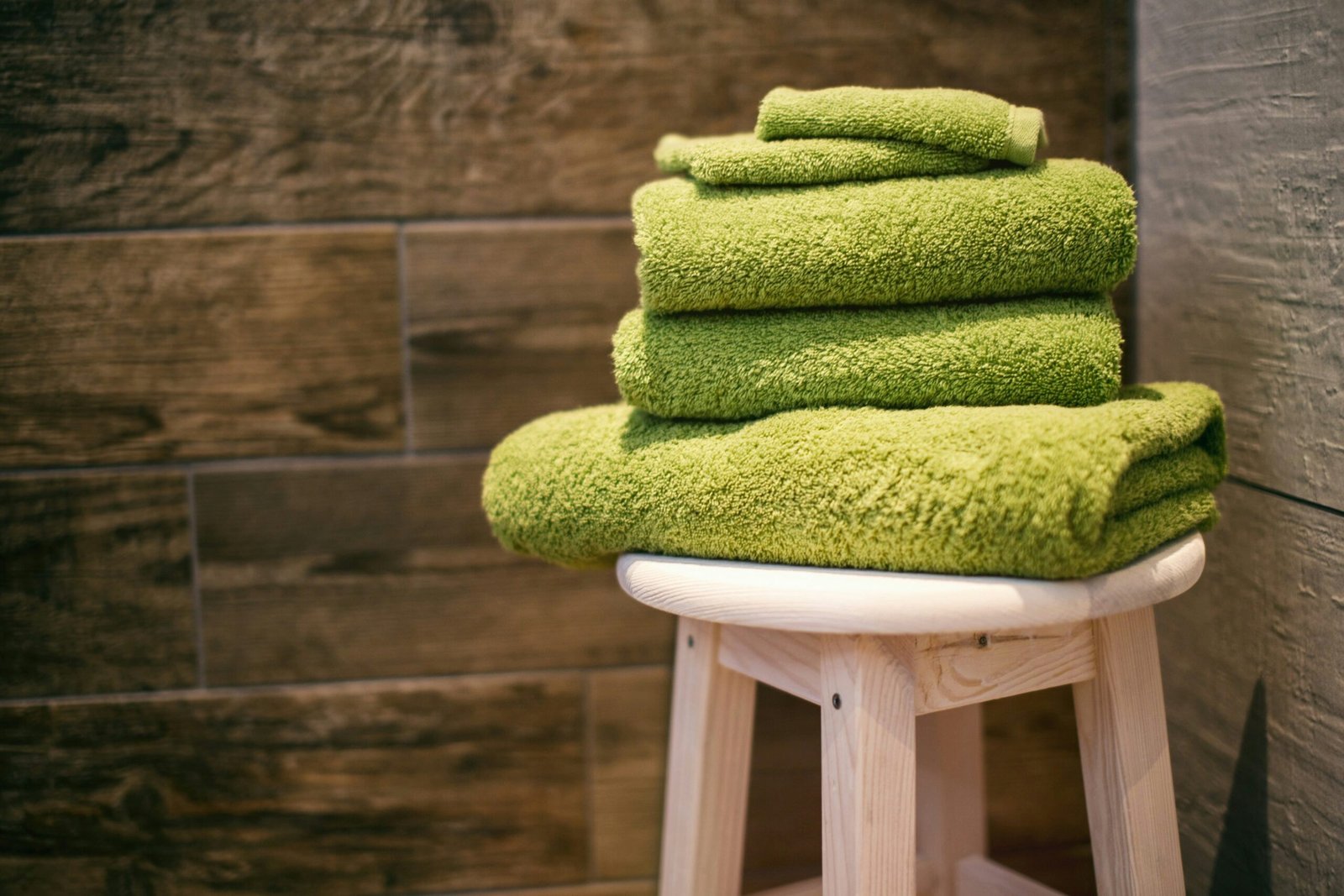
Even a towel that appears to be clean can be surprisingly stinky when you get it wet, just after laundering. An odor that hangs on indicates that something about the smell wasn’t fully eliminated by normal cleaning. Towels are particularly vulnerable to wet smell because the deeper loops tend to retain moisture longer than the finer weave of most other laundry fabrics, making moisture retention in fabrics a common odor concern. 12 Best Brightening Laundry Detergents of 2023 – 10 Smart Detergent Softeners to Try – 17 Nifty Detergents for Every Use – The ‘Charlotte’s Web’ of Coffee–Instead of Growing on Farms, It Grows in a Factory Read More Three Surprising Ways to Clean Your Microwave Continue Reading ›
Knowing how to get mildew smell out of towels involves more than adding extra detergent. How you wash the towel, the water temperature, how much detergent was used, the dryer, and the washing machine all play a part in its outcome. Sometimes, a normal wash cycle will do the trick. Other times, the towel will need an extra clean before it is dried.
The positive thing is that you don’t need specialized equipment to revive most washable towels. The trick is to wash them correctly, prevent them from locking in debris, and provide them with a thorough drying after every use.
Why Do Towels Develop a Mildew Smell?
This gives towels the potential to smell bad. Towels work by drawing moisture away from your body, but that also means that that moisture can linger on the fabric. After using a towel following a shower, bath, workout, or swim, a considerable amount of water may remain.
If it is draped on a towel rack in a room with good airflow, it will dry fairly quickly.
But if the towel is left bundled up, hung in a damp bathroom, or stuffed into a laundry basket while it is still damp, it may hold onto that moisture between the fibers. That creates an environment where bacteria can proliferate, or bacteria and yeasts can survive, leading to a foul smell. Old soap and fabric softener residue, skin cells, body oils, and leftover soap may also be attracted to the warm, moist environment and hold on to that odor as well.
Common reasons for the smell
Several habits and conditions can contribute:
- Leaving wet towels crumpled on the floor
- Putting damp towels in a closed hamper
- Washing too many towels in one load
- Using more detergent than necessary
- Frequently using fabric softener
- Not allowing towels to dry fully
- Leaving clean laundry inside the washer
- Using a washing machine that needs cleaning
- Storing towels in a humid space
The smell may become especially noticeable when the towel gets wet again. That is why a freshly washed towel can seem fine when dry but suddenly smell unpleasant after a shower.
The First Step: Wash Towels the Right Way
Reconsider your normal wash cycle before using a product. Towels need room to soak and allow water and detergent to flow through the fabric in order to do their job. You may be able to wash the load in warm or hot water, according to the care label, without wasting soap.
Follow the manufacturer’s recommendations on how much soap to use, and do not overdo it as excess soap can leave residual in the fiber, and not much will be rinsed away if the washer cannot fully clean the load.
You may be able to wash away the smell without using softening products; addition of a fabric softener at this point could leave a residue on the towel’s fibers, affecting their absorption, over time.
Give the towels enough room
If the washer is packed tightly, towels may not move freely through the wash.
A smaller load can provide better water circulation and allow the detergent and rinse water to reach more of the fabric. This is particularly useful for thick bath towels, which absorb substantial amounts of water during the cycle.
How to Get Mildew Smell Out of Towels With Vinegar
Use White Vinegar as a Laundry Cleaner White vinegar is a well-known household remedy for musty laundry. It may also break down some buildup and eliminate other bad smells. For washables, try running your machine with the right amount of white vinegar, based on your washer’s instructions and the fabric care tag.
Some people use the vinegar in the rinse compartment instead of adding it directly with the detergent.
Use the correct amount of vinegar based on the appliance and product instructions. Do not assume that the more vinegar you add, the better it will work. Run another rinse or normal wash with laundry detergent after using the vinegar if needed. Never combine vinegar with chlorine bleach.
Adding the two will create dangerous chlorine gas.
Vinegar isn’t right for every load or treatment. If a particular towel is made to the manufacturer’s care instructions, follow those instructions over any treatment.
Try Baking Soda for Lingering Odors
Baking soda is another common item that can be used in washing solutions, particularly to get rid of foul odors. It might be helpful if a towel is only smelling stale and not actually ‘dirty’ (the best indication of this is no visible stains or spots). Baking soda can be added to a wash cycle with a detergent that is suitable for the towel, following the instructions for both the washing machine and any products used. This product is intended to neutralize the odor, not add its own scent like most fragranced laundry products.
A Deep-Cleaning Routine for Stubborn Towel Odors
If a standard wash has not solved the problem, a deeper cleaning routine may be appropriate.
Step 1: Check the towel
Look for visible mildew spots, discoloration, or areas that feel unusually damp. Also check the care label before using any stronger treatment.
Step 2: Separate the affected towels
Do not mix severely musty towels with delicate clothing. Keeping the problem load separate makes it easier to choose an appropriate cleaning routine.
Step 3: Pre-soak if the fabric permits
A suitable soak can give the cleaning solution more time to work through the thick fibers. Use a method that is compatible with the towel’s care instructions.
Do not leave towels soaking indefinitely. Extended exposure to water or cleaning products can damage some fabrics.
Step 4: Wash thoroughly
Use an appropriate detergent and a water temperature permitted by the care label.
Avoid cramming the washer. Thick towels need sufficient space for effective cleaning and rinsing.
Step 5: Rinse well
Residual detergent and cleaning products can contribute to buildup. If the towel still feels coated or smells strongly after washing, an additional rinse may help.
Step 6: Dry immediately
Do not leave the freshly washed towels sitting in the washer. Move them to the dryer or another suitable drying area as soon as practical.
Step 7: Check the result
Once completely dry, smell the towels before folding them. If the odor remains, repeat a suitable cleaning process rather than simply covering it with fragrance.
Why Drying Is Just as Important as Washing
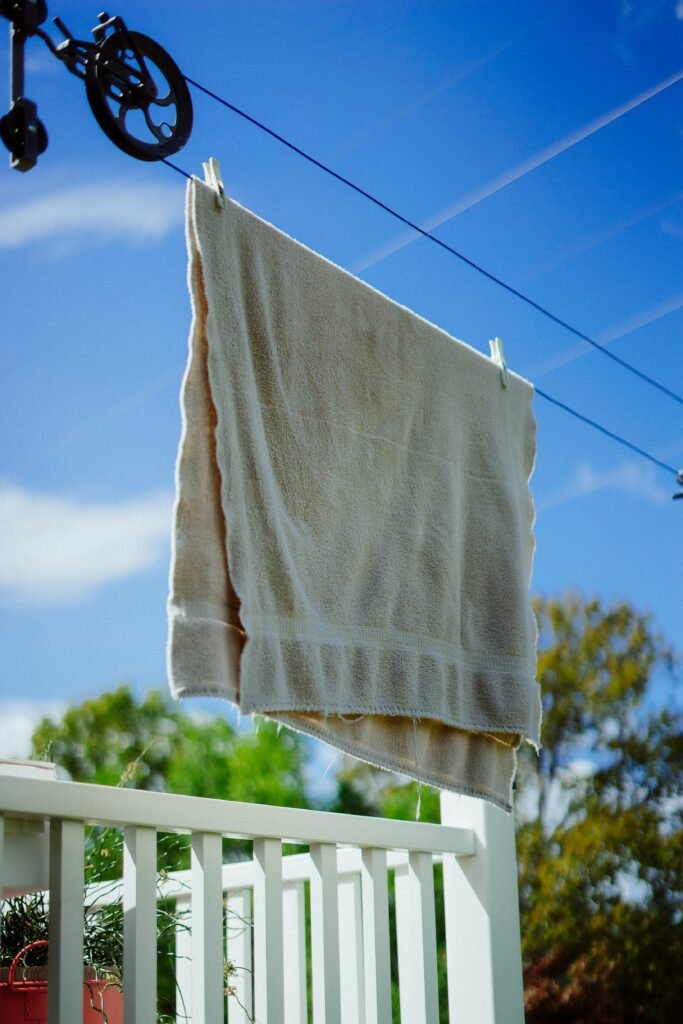
A towel can be washed to perfection but still develop an unpleasant smell if it isn’t dried well enough. Moisture is the main culprit for allowing the odor to come back, and heavy towels can feel dry on the surface when they still be be damp in the core. Wherever possible you should be able to hang the towels out in the fresh air to let the air penetrate the towels.
Never pile the towels up or fold them, as this will promote the build up of moisture.
If you are drying the towels using a clothes drier then select a drying cycle that conforms to the maximum fabric care instructions and make sure the entire load is dried thoroughly. Drying the towels outside may also be an option if the conditions and the care label allows. Sunlight and fresh air can help get rid of excess dampness. The important thing with the drying is not the method used but to simply ensure the towel is genuinely dry.
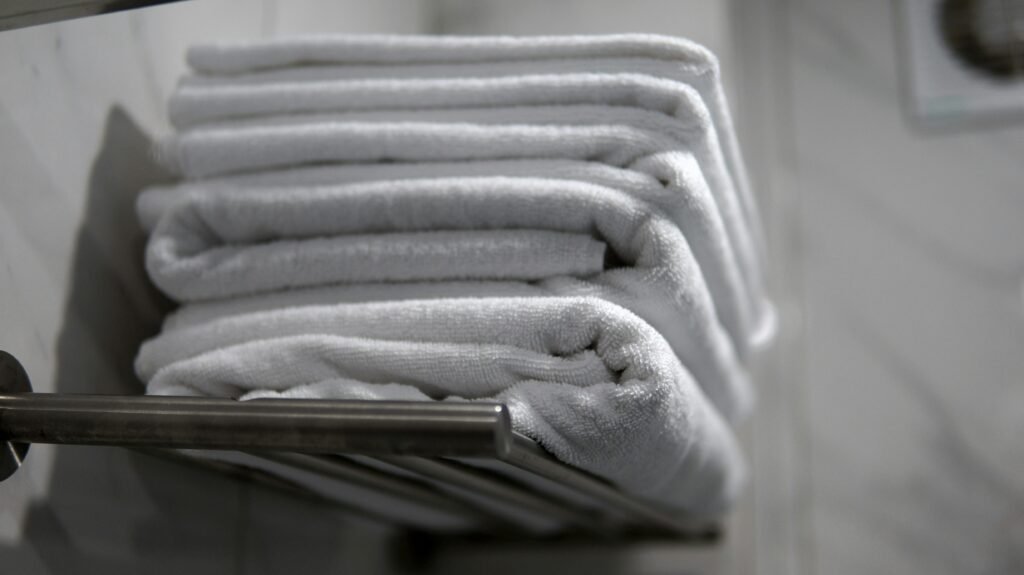
Could Your Washing Machine Be Causing the Smell?
Sometimes, the solution is much more than just replacing the towel. Detergent residue, fabric softener, dirt and moisture can build up in areas that don’t always dry out properly in a washing machine. Rubber seals, dispensers, filters and other parts can develop a foul smell if they’re not properly cleaned and cared for according to the washer manufacturer’s guidelines.
If more than one towel smells; have a good look at the washer.
Wash the machine, using any cleaning cycles and following the machine manufacturer’s care instructions. Clean the detergent dispenser and other accessible parts of the machine as instructed. After using a front loader, allow the door to be open for a while so the interior can dry out safely, if the machine will allow it. A towel that is clean and continues to smell like the Washing Machine will not de-smell after washing repeatedly.
What Not to Do With Smelly Towels
Some common laundry habits can make the problem worse.
Don’t keep adding detergent
More detergent is not a substitute for better washing. Excess product can contribute to residue buildup.
Don’t rely on fragrance alone
Fabric sprays and strongly scented softeners may temporarily hide a musty smell without addressing the underlying residue or moisture.
Don’t leave wet towels in the washer
A closed, damp washing machine is an ideal place for odors to develop. Move the load out promptly after the cycle ends.
Don’t overload the washer
A stuffed drum may prevent adequate movement, cleaning, and rinsing, which can interfere with effective laundry cleaning.
Don’t mix bleach and vinegar
This is a critical safety rule. Never combine chlorine bleach with vinegar or other products unless the manufacturer specifically states that the combination is safe.
Don’t store towels while damp
Even slight residual moisture can become a recurring odor problem in an enclosed closet.
What If the Towel Still Smells After Washing?
Sometimes a scent can last all the time, but this does not mean your towel is ruined for good. First, make sure you did not let your towel stay damp after it was first washed; once there is a trace of moisture left, the smell can come back quickly.
Second, ask if you are using detergent and fabric-softener sufficiently. Build-up from these products can trap smells and prevent the water from fully penetrating the material.
Third, troubleshoot the washing machine itself. If more than one towel, load or type of clothing or sheets are coming out smelling the same way, there might be something else wrong with the machine.
Fourth, evaluate whether the towel has outlived its lifespan. Older towels can hold on to residue, trap water in the fibers and absorb less after repeated use. If a towel has been repeatedly exposed to moisture and is no longer dry after regular washing and drying, be ready to replace it at some point.
Don’t assume all dusty smelling towels should be trashed after one wash. Decide what is a fair number of soaks and runs through the machine before assuming the moisture problem has truly been addressed.
Are Bleach and Oxygen Cleaners Safe for Towels?
Bleach may be handy for some white, bleach-friendly towels but avoid using it universally. Read the instructions on both the care label and the bleach manufacturer’s label. Chlorine bleach may weaken or damage some fibers or cause colors to fade or change.
For colored towels, an oxygen-based laundry product labeled as color-safe may be a better bet.
Read and adhere to the laundry product’s instructions, and test a small spot when relevant. Do not ever mix chlorine bleach with vinegar, ammonia or other household chemicals. Always check the care label of the towel to determine which product to use, since a cleaning product that is ideal for one towel may permanently stain and ruin another.
How to Prevent the Mildew Smell From Returning
Once your towels smell fresh again, prevention becomes the most useful part of the routine.
Hang towels properly after use
Instead of dropping a damp towel into a pile, spread it over a towel bar or another suitable surface. The more surface area exposed to air, the easier it is for moisture to escape.
Wash towels regularly
Towels don’t need to be washed after each use if they are used under standard conditions and are thoroughly dried, but should be washed often. Wash more often if towels are damp, smell, or used in situations where they should be washed more often.
Avoid storing damp laundry
If you cannot wash towels immediately, allow them to dry before placing them in a hamper whenever practical.
Keep the bathroom ventilated
Bathrooms can become humid after showers. Using an exhaust fan, opening an appropriate window, or otherwise improving ventilation can help the room dry more quickly.
Keep towels away from damp storage areas
A closet with persistent humidity can make clean towels smell stale again. Make sure stored textiles are completely dry and that the storage space has reasonable airflow.
Special Considerations for Different Towels
Not all towels require the same care. Cotton bath towels can normally withstand warm wash water and a regular tumble in a machine dryer. Microfiber towels have specific cleaning needs, and fabric softener or dryer sheets can actually cause damage or reduce effectiveness.
If your towel has trims, embroidery, special dye or special finishes, it may need special care to avoid damage to those elements.
Pool and beach towels may have sunscreen, chlorine, salt, sand or other debris left behind to impact the odor and cleaning process. Always check the material and care label for a towel before deciding on a cleaning process, and determine whether you can confidently eliminate the odor without damaging the towel.
When Should You Replace a Towel?
But a lingering smell doesn’t necessarily mean you should throw a towel away. It might be justified to substitute if the material has been so severely damaged, is still gross after washing well, or continues to cause issues due to its condition. If your towel has a lot of mold on it or was exposed to contaminated water, then household laundering alone may be insufficient. Think about whether professional cleaning or discarding is the better option.
For common musty towels, however, the most basic fix to try is to strengthen your wash and dry.
A Simple Routine for Fresh-Smelling Towels
If you want a straightforward maintenance routine, focus on four habits:
- Hang towels open after use so they can dry quickly.
- Wash them in a suitable load size using the recommended amount of detergent.
- Avoid unnecessary fabric-softener buildup that can affect towel fibers.
- Dry towels completely before folding and storing them.
If an odor develops, use an appropriate deep-cleaning wash based on the towel’s care instructions. Check the washing machine as well if other laundry has started smelling musty.
The combination of proper washing and moisture control is more reliable than repeatedly masking the smell with scented products as part of proper laundry care.
Final Takeaway
Learning how to get mildew smell out of towels is largely about removing odor-causing residue and controlling moisture. Start with a properly sized wash, use the correct amount of detergent, and consider an appropriate odor-removing treatment such as white vinegar or baking soda when the fabric and appliance instructions allow it. Avoid mixing cleaning chemicals, especially vinegar and chlorine bleach.
Drying is just as important as cleaning. Keep towels spread after use, hang up wet laundry immediately from the washing machine, and ensure all laundry is dry before putting away. If multiple loads develop similar musty smell, follow the manufacturer’s instructions to clean and maintain your washing machine. Once source of excess moisture and soap scum is gone, the towel smell stays fresh longer.
FAQs
1.Why do my towels smell like mildew after washing?
Towels can retain a musty smell when moisture, detergent residue, body oils, or other buildup remains trapped in their thick fibers. A washing machine that needs cleaning can also transfer odors back onto freshly washed laundry. Incomplete drying is another common reason the smell returns.
2.How do I get mildew smell out of towels quickly?
Wash the towels according to their care labels using an appropriate amount of detergent, then dry them completely. For washable towels that tolerate it, white vinegar or baking soda can be incorporated into an odor-removing laundry routine. Avoid mixing vinegar with chlorine bleach.
3.Does vinegar really remove mildew smell from towels?
White vinegar can help reduce musty odors and loosen certain residues on suitable washable fabrics. It is not a guaranteed solution for every type of contamination, though. Follow the towel’s care instructions and never combine vinegar with chlorine bleach because the mixture can produce dangerous fumes.
4.Can baking soda remove a musty smell from towels?
Baking soda can help neutralize unpleasant odors and may be useful during a normal wash. It works best as part of a broader laundry routine that includes proper washing and thorough drying. If the smell keeps returning, investigate the towel’s drying conditions and the washing machine.
5.Should I use bleach on smelly towels?
Chlorine bleach may be suitable for some white, bleach-safe towels, but it can damage or discolor other materials. Check the care label and product directions before using it. Never mix bleach with vinegar, ammonia, or other incompatible cleaning products.
6.Why do my towels smell fine when dry but stink when wet?
A musty odor can become more noticeable when the towel gets wet because moisture can release odor-producing compounds trapped in the fibers. Residue and microorganisms may also become more noticeable under damp conditions. Thorough cleaning followed by complete drying can help address the problem.
7.How can I stop towels from smelling like mildew again?
Hang towels spread out after use instead of leaving them in a heap. Remove wet laundry from the washer promptly, avoid overloading the machine, use an appropriate amount of detergent, and dry towels completely before storing them. Good bathroom ventilation can also help reduce moisture.
8.Should I clean my washing machine if my towels smell musty?
Yes, particularly if multiple loads of laundry have developed the same odor. Follow the manufacturer’s instructions for cleaning the washer, including its drum, detergent dispenser, seals, or cleaning cycle when applicable. A machine that retains moisture and residue can contribute to recurring laundry odors.
Conclusion
Knowing how to get mildew smell out of towels starts with addressing both the fabric and the moisture that caused the odor. Wash your towels when needed according to the instructions, avoid stuffing the laundry machine, add the right detergent amount and if desired treat the laundry odor accordingly. For some washable items white vinegar or baking soda can provide some odor control, but do not use bleach unless safe according to fabric and product labels.
You want to completely dry your towels too. Spread your wet after use, promptly take out damp laundry, and check the washer if successive washes start smelling moldy. You can get rid of stubborn laundry smell with more effective wash, dry and store practices and keep away the smell.











