


Snakes Around Your House May Scare You Right Out of Your House If you find yourself scared or not knowing where the snake came from or if there are more, then here are some ways to keep them away. The good thing about having snakes around the house, there are some things you can do to keep them away and it’s not just with one repellent or DIY method.
Snakes are simply searching for three simple things -food, shelter, and the right environment, making wildlife habitat management important for prevention. A backyard with a lot of tall grass, cluttered debris, a lot of rodents, dense vegetation, and readily available cool places to hide will be attractive to snakes. Gaps around foundations, around doors, around the garage, and other openings can provide access into your yard.
Learning how to keep snakes away from your house starts with making the property less attractive and less accessible. Which means: setting the right traps, decreasing access to prey, making more hiding space available, keeping the wild areas and fixing any structural issues, and having a plan of action if you encounter a snake. The method you use depends at least in part on what types of snakes are found in your region.
Why Snakes Come Near Homes
Typically, a snake doesn’t even visit your property because of you. A snake is simply following the conditions it requires to survive. One of the main reasons is food. Rodents, frogs, insects, and various other tiny critters can all attract snake species. If mice or rats are scampering around a shed, garage, compost site, or garden area, predators will likely be drawn in because of its food source.
Shelter is another big contributor. Snakes can be found hiding underneath boards, wood piles, rocks, and other dense cover that provides protection from predators and potential threats.
Water may be another major factor. Standing water, irrigation issues, ponds, watering holes, and even leaky outdoor faucets can all bring prey to your property that unwittingly may bring snakes.
A useful way to think about prevention is to ask three questions:
- What could be attracting prey animals?
- Where could a snake hide?
- How could a snake enter a building?
Addressing those three areas is generally more useful than spraying a random repellent around the yard.
How to Keep Snakes Away From Your House by Removing Their Food Sources
You cannot realistically eliminate every small animal from a yard, but you can make your property less attractive to the animals that snakes commonly hunt.
Control Rodents Around the Property
Rodents make a tasty treat for many snake species, which is why rodent control methods can help reduce snake activity. Have a sealed trash can, toss the bird seed/animal foods, bring pets food in at night. Keep all feeds in a sealed container, maintain your composting and don’t leave scraps laying around. Are there droppings, gnaw marks, holes and scratches that let you know about rats/mice in the shed, garage, crawlspace or storage shed? It may be easier to get rid of the rats/ mice than the snakes.
Reduce Places That Attract Frogs and Other Prey
Outdoor lighting can bring insects – which means they might bring frogs, lizards and other animals. You don’t have to get rid of outdoor lighting entirely, but turning off some or installing directed fixtures can diminish nighttime insect activity around your house. Repair any leaks, dripping faucets or irrigation leaks. Keep the exterior of the property around your water features in good condition and try not to promote any unnecessary swampy areas where water can collect.
My aim is not to turn your yard into a birdless moonscape. It is to eliminate large food sources that will bring game animals close to your house and create easy hunting territory for the resident predators.
Remove Snake Hiding Places
A snake-friendly yard will typically have all sorts of hiding sites for the snake throughout the day. Wood piles, debris boxes and broken crates, stacks of material, brush piles, buckets, rocks, and leaf piles are all good places for a snake to hide away. Gaps underneath decks, porches, sheds, or other structures built out from the house can also be used as hiding places.
Stack firewood on racks off the ground, away from the house when possible.Keep the outside of the house clear of scattered building supplies.
Clear away broken branches and other debris following storms. Not only will removing these items improve the appearance of the yard, they also take away hiding places.
Maintain Grass and Vegetation
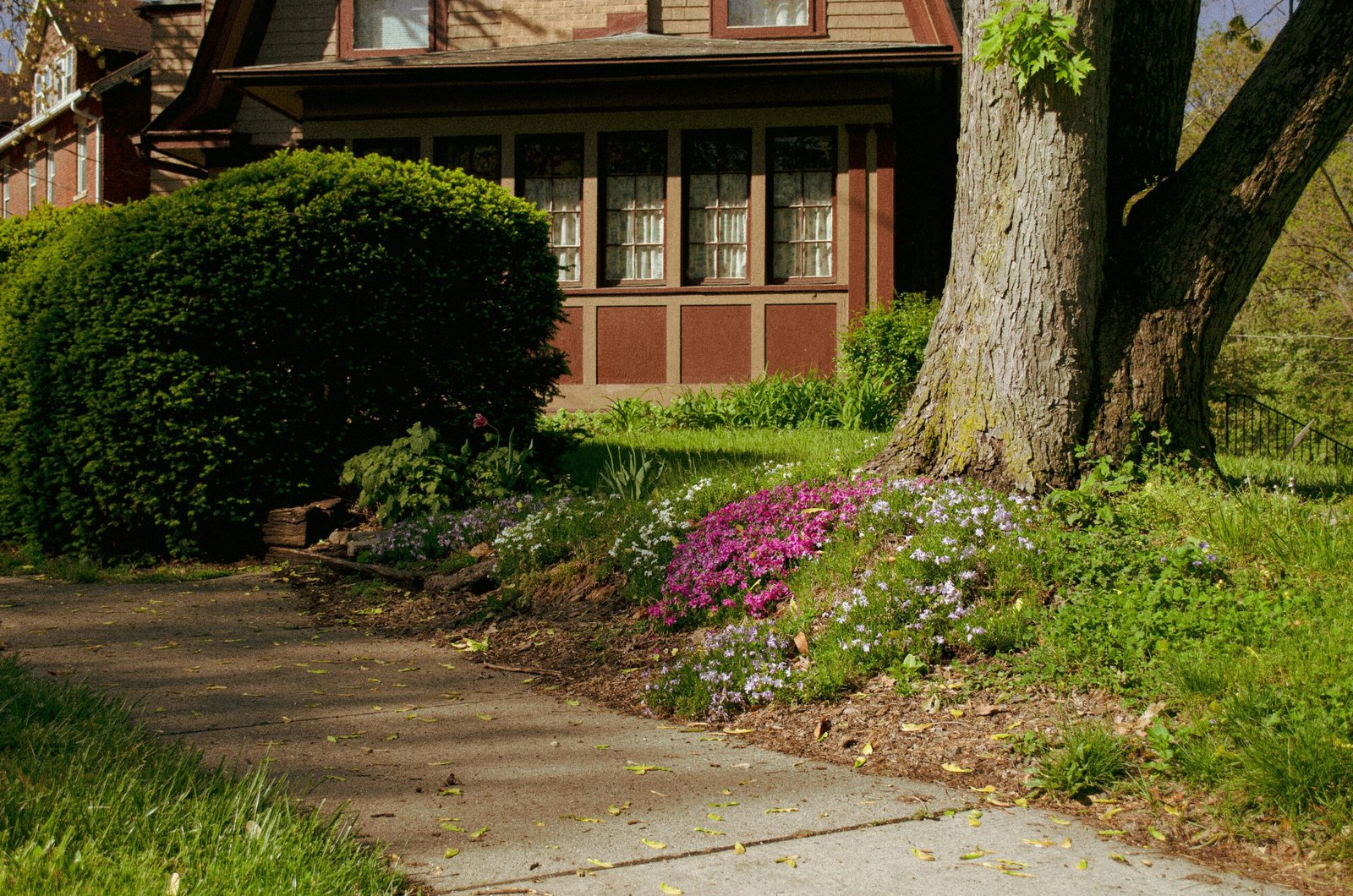
Common yard practices can help reveal snakes and address other concerns before they get out of hand. Maintain grass at a moderate height, particularly along well-trafficked walkways, around play areas, near patio and deck areas and along exterior walls of buildings. Cut back vegetation so it does not form a thick, relatively concealing, passage right against structures.
This does not mean that you have to clear out every plant in the landscape, only that you try to keep things looking nice but easy to see through.
Focus on high-value areas, and especially those that tend to give movement around your yard hidden areas to escape.
Seal Potential Entry Points Around Your Home
Even a well-maintained yard cannot fully prevent snakes from approaching. The next line of defense is keeping them outside.
Snakes can sometimes enter through surprisingly small openings, particularly around foundations, doors, vents, pipes, and other structural gaps. Inspect the exterior of your home, garage, shed, and other buildings for openings.
Pay close attention to:
- Gaps beneath exterior doors
- Damaged door sweeps
- Cracks around foundations
- Openings around utility pipes
- Gaps around vents
- Damaged screens
- Spaces beneath sheds or decks
- Openings around garages
Fill in all relevant gaps with acceptable materials for the situation-remember to avoid obstructing vents and drains that are needed to keep the building safe.
Garage doors require particular care as the most obvious gap is underneath, which can lead to an otherwise secure space being accessed. Ensure the door closes correctly and that the bottom is sealed.
If unsure as to whether an opening needs sealing (particularly where utilities and ventilation systems are concerned) then leave it and get an opinion before acting.
Make Your Yard Less Attractive to Snakes
Property maintenance is a game of subtraction – with a little strategic investment, many small changes can make your property much less attractive through proper home pest prevention. Begin with clearing the immediately adjacent area, which will make any travel corridor through surrounding brambles and cover less attractive and provide a “cleaner” area for you to observe animal activity in. Try to maintain shrubbery and other landscaping rather than letting it grow thick against structures, remove debris that is on the property that doesn’t belong, keep the wood pile and outdoor storage items organized and minimized.
You want to do this work especially for decks, sheds, garages and crawl spaces since those spaces can be environments with dark, sheltered spaces that snakes tend to utilize.
It’s not a 100% protection by any means, but a clean perimeter minimises the combinations of attractants.
Do Snake Repellents Actually Work?
Snake repellents can be found in granular, liquid, or ultrasonic form and may have varying degrees of success and should not replace habitat management as a first line of attack. One of the biggest mistakes people make is believing one smell or substance will create an unseen barrier snakes won’t cross. Outdoor surroundings are not that simple – weather, plants, food and the snack preference of resident animals can all influence what happens in a yard.
While ultrasonic devices are pushed as snake deterrents, people should not count on them being the primary protection. Always read the label if you purchase a commercial product and make sure it’s labeled for the place you plan to use it, taking into account what animals, plants and people might come into contact with it and what restrictions may apply.
The most reliable prevention plan is practical: eliminate attractive habitat, reduce prey and block access to structures.
Natural Snake-Repellent Ideas: What to Know
People have heard that specific ingredients, plants, or other strongly-scented substances will repel snakes. Some may have a touch of anecdotical support, but that does not make them a dependable long-term snake prevention method.
Spraying large amounts of household chemicals in the yard is probably the worst approach. Not only does it harm soil and plant health, it also puts your pets or local wildlife at risk and do not address the core reason a snake was where it was.
Planting a specific herb, flower, or list of them should not be viewed as a snakeproofing method.
When utilizing landscaping as part of prevention: consider screening and elevation, where you’re cleaning the yard, and where you’re actively trimming brush, rather than relying on a specific snake-repelling vegetation.
Again, more does not always mean better for your snake solution. A strong-smelling chemical that is too weak to repel a four-legged animal, may just quickly disappear into the air while your property still looks inhospitable.
What to Do If You Find a Snake Near Your Home
What to do if the worst happens Prevention is the best solution, but it is good to know what to do if you’ve failed (or forgotten) to prevent an encounter. If you see a snake: Keep your distance, especially if you want to see if it is venomous. Do not approach a snake to identify whether it is venomous or non-venomous – it may use venom to defend itself.
Put children and pets inside if you can; give the snake some space away from people, not surrounded by people.
Do not try to catch, pin, strike or kill the snake – many bites occur when people attempt to handle or kill snakes at close range. If it is in the house, garage or other internal space, keep people and pets away, close any doors you can to limit the snake’s mobility, and call a native or exotic wildlife animal-control service if you are unable to handle the situation. If you live in an area with venomous snakes, local wildlife authorities can also give advice about what kind of snake it is and how to remove it.
A Step-by-Step Snake Prevention Plan
If you want a practical starting point, work through the property in this order.
Step 1: Inspect the Yard
Walk around the exterior of your home during daylight. Look for piles of debris, dense vegetation, holes, standing water, rodent activity, and objects sitting directly against the building.
Step 2: Remove Unnecessary Shelter
Clear away unused boards, debris, excess leaves, and other materials that create dark hiding places. Organize outdoor storage and keep firewood properly arranged.
Step 3: Address Rodent Problems
Look for signs of mice or rats around the home. Secure food sources, improve sanitation, and address structural openings that allow rodents inside.
Step 4: Maintain Vegetation
Trim overgrown grass and vegetation around commonly used areas. Keep pathways visible and avoid allowing thick growth to form directly against the house.
Step 5: Check the Building Exterior
Inspect doors, vents, foundations, utility penetrations, garages, sheds, and crawl spaces for openings. Repair appropriate gaps without interfering with essential ventilation or drainage.
Step 6: Review Water Sources
Repair leaks and eliminate unnecessary standing water. Keep irrigation systems functioning properly and avoid excessive moisture around foundations.
Step 7: Monitor the Property
After making changes, continue checking the yard. If snakes continue appearing, look for a food source or shelter area you may have overlooked.
This approach is more useful than making one dramatic change and expecting immediate results.
Common Mistakes Homeowners Make
Don’t just go for the snake one of the biggest mistakes is to focus on the snake and not what the snake is attracted to. For instance, you may see a snake near a shed so you put out a repellent, but you might not know that the shed has a lot of grass around it, rodent activity, and a large opening underneath that shed. The better solution is to eliminate conditions that draw the predator in the first place.
Don’t leave food outdoors bird feeders, pet food, trash, and poor compost management will all attract prey animals who in turn can attract predator animals.
Sometimes there are conditions that you can create that provide hiding places so identify them and then eliminate these conditions. Lumber piles, old equipment, wooded landscaping, and piles of leaves can all create safe cover for animals in what otherwise would be an open backyard. Do not try to remove the snake yourself even if you think it is harmless, the species can be hard to identify and even a nonpoisonous snake may react defensively. One treatment usually isn’t enough; outdoor wildlife management requires year-round maintenance.
Special Considerations for Pets and Children
Even snakes that do not attack may still pose a risk if children or pets approach them. Do not allow dogs to explore holes, piles of wood, thick brush and grass, or other areas that may harbor snakes. Monitor your pets if they are in an area that attracts snakes, especially when snakes are active.
Teach children a simple rule: “Never touch a snake or go near it.”If you see a snake, walk away from it and find an adult.” Never try to catch or kill a snake. It may strike even if it appears dead.
Never leave pet food outside for long periods of time. Outdoor feeding can attract mice and other vermin that, in turn, may bring snakes to your property.
If you live next to a natural area, wooded land, fields, wetlands, or rocky areas, it is probably not possible to keep out all snakes, only to make your building sites less desirable to them.
When Professional Wildlife Help Makes Sense
Call a pro if: a snake is coming into your house again, there are several snakes, and you can’t find out where they are coming in. Consult a local nature center or wildlife professional if you live in an area where venomous snakes are common, and you do not know how to handle the situation. A professional can identify other access points, assess the sites, and determine if some other wild animal species has left the snake in that vicinity. This can be particularly helpful if you keep seeing snakes as a result of mice or rats living in your crawl spaces.
Don’t spend money and time on repairs that might be risky just to get rid of a simple crawl space. Several parts of a house can be quite complicated – electrical, plumbing, ventilation, structural.
Also, be careful when using pesticides and other chemicals. Use only what the label states. Over-application doesn’t necessarily help with wildlife control.
How to Keep Snakes Away From Your House Long Term
Long-term prevention is more a matter of being consistent than of having a single, magic trick. Maintain your lawn and landscaping. Remove clutter. Stack firewood and other materials neatly. Get rid of rodents and secure your food sources. Repair leaks and eliminate standing water. Look for holes around doors and basement openings, foundations, garages, vents, utility entries, and other openings.
It’s also helpful to understand your environment. If your property backs up to a field, a wooded area, a marsh, a rocky spot, or other native habitat, you may naturally have more wildlife activity than a heavily developed neighborhood. While you may not be able to prevent every encounter, you can still make your home less attractive and less accessible to a critter.
Most importantly, don’t fall into the trap of removing the snake but leaving its food source and cover intact. Nothing else changes, another snake may come along and find the very same food and hiding place.
Final Takeaway
Learning how to keep snakes away from your house is less about finding a powerful repellent and more about changing the environment around your home. Reduce rodent and other prey activity, remove unnecessary hiding places, maintain vegetation, manage outdoor water sources, and seal suitable entry points into buildings. These measures work together to make the property less appealing and harder to access.
If you see a snake, leave it alone and keep kids and pets away, instead of trying to capture or kill it. Multiple sightings, possibly even inside your home, and a concern about a venomous species are reasons to work with a local professional. Maintaining a regular prevention regimen is generally safer and more successful than using one homemade or commercial product.
Frequently Asked Questions
1. How can I keep snakes away from my house?
Keep the area around your home clean and open by trimming overgrown vegetation, removing piles of wood and debris, controlling rodents, eliminating unnecessary standing water, and sealing gaps around doors, foundations, garages, and other possible entry points.
2. What attracts snakes to a yard?
Snakes may be attracted by available food, shelter, and moisture. Rodents, frogs, lizards, insects, tall grass, wood piles, dense vegetation, rocks, and clutter can all create conditions that make a yard more appealing.
3. Does keeping the grass short help prevent snakes?
Yes. Regularly maintained grass can reduce hiding places and make it easier to notice snake activity. Trimming vegetation near walkways, patios, play areas, and the foundation can also improve visibility around the property.
4. How do I stop snakes from getting inside my house?
Inspect the exterior for gaps around doors, garage openings, foundations, vents, pipes, and crawl spaces. Repair appropriate openings and replace damaged door sweeps or screens. Do not block necessary ventilation or drainage openings.
5. Do snake repellents really work?
Commercial snake repellents may have varying results and should not be considered a complete solution. Removing food sources, reducing hiding places, maintaining the yard, and sealing building openings are generally more practical long-term prevention measures.
6. Does getting rid of mice help keep snakes away?
It can help. Some snakes are attracted to properties where rodents provide an accessible food source. Securing food, cleaning up spills, storing animal feed properly, and addressing rodent activity can make the property less attractive to snakes.
7. What should I do if I find a snake near my house?
Keep your distance and move children and pets away from the area. Do not try to catch, corner, strike, or kill the snake. If it is inside a building or you are concerned that it may be venomous, contact an appropriate local wildlife or animal-control professional.
8. Can snakes still enter my yard if I keep it clean?
Yes. Snakes are part of the natural environment, so a clean yard cannot guarantee that you will never see one. Good maintenance can reduce attractive habitat and make it more difficult for snakes to find food, shelter, or access to your home.
Conclusion
Knowing how to keep snakes away from your house starts with making the property less attractive rather than relying on a single repellent. Maintain grass and vegetation, clean up clutter and other refuge areas, eliminate rodents, drain outdoor water sources and block holes or other access points into the house. These strategies are most effective when integrated and maintained consistently. If you see a snake, keep children and pets away from it, and do not try to handle it.
Frequent sightings, observations inside the house, or you have concerns about a venomous snake may warrant contact with a reputable local wildlife professional.
Many problems with snakes living near the house can be resolved with consistent exclusion and maintenance.











