


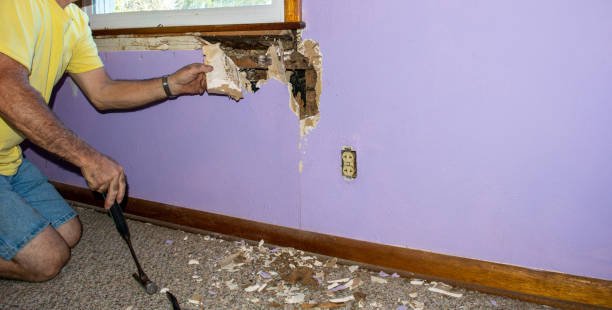
Discovering damaged timber can be alarming, especially when the surface looks normal but breaks away easily. The first step is not to start pulling the area apart. Termite damage can be old or active, and excessive disturbance may destroy evidence that helps identify what is happening. Photograph the area, note where it is located and arrange a closer assessment.
Termites can consume timber from the inside while leaving a thin surface layer intact. Damage may be found in skirting boards, door frames, flooring, wall framing, cupboards or outdoor timbers. Mud material, live insects, fine cracks or hollow-sounding timber can add to the suspicion, but visual signs alone cannot show how far activity extends behind finishes.
Avoid spraying household insecticide into suspected galleries. A surface spray may kill a small number of termites while leaving the colony unaffected. It can also cause termites to retreat from the disturbed location, making activity harder to trace. Likewise, do not immediately remove damaged timber unless there is an urgent safety reason and the area has been assessed.
An inspection should look beyond the visible damage. Moisture sources, soil contact, garden beds, plumbing penetrations, subfloor conditions and inaccessible edges can all influence termite entry. The inspector may also assess whether there are additional sites of activity elsewhere in the building. This broader view is important because repairing one damaged board does not address an active colony or an entry pathway.
Once activity and damage are understood, treatment and repairs can be planned in the right order. Pest treatment may need to happen before carpentry or structural work. Where timber is structurally important, a builder or other suitably qualified professional may also need to assess the extent of repair. Keeping records of inspections and treatment can help with future monitoring.
Do not assume that repaired timber means the risk has disappeared. Landscaping changes, leaking pipes, stored timber and concealed edges can create new conditions later. Maintain visible inspection areas around the building and keep documentation for any treatment system or monitoring program in place. That makes it easier to compare future inspections and identify whether new signs are appearing in a previously affected part of the home.
Pest control works best when treatment is supported by sensible home maintenance. Food, water, shelter and access are the main factors worth reviewing, and small changes can make professional treatment more effective. The goal is not to make a home completely inaccessible to every pest, which is unrealistic, but to reduce the conditions that help an infestation establish and to make new activity easier to identify before it becomes widespread.
For help identifying the source of pest activity and choosing an appropriate treatment plan, Brisbane Termite & Pest Control can inspect the property and recommend options suited to the pest and the building. Professional advice is particularly useful when activity is hidden, recurring or associated with damage, because the visible signs may represent only one part of the problem This is why follow-up inspections remain worthwhile after repairs..











