


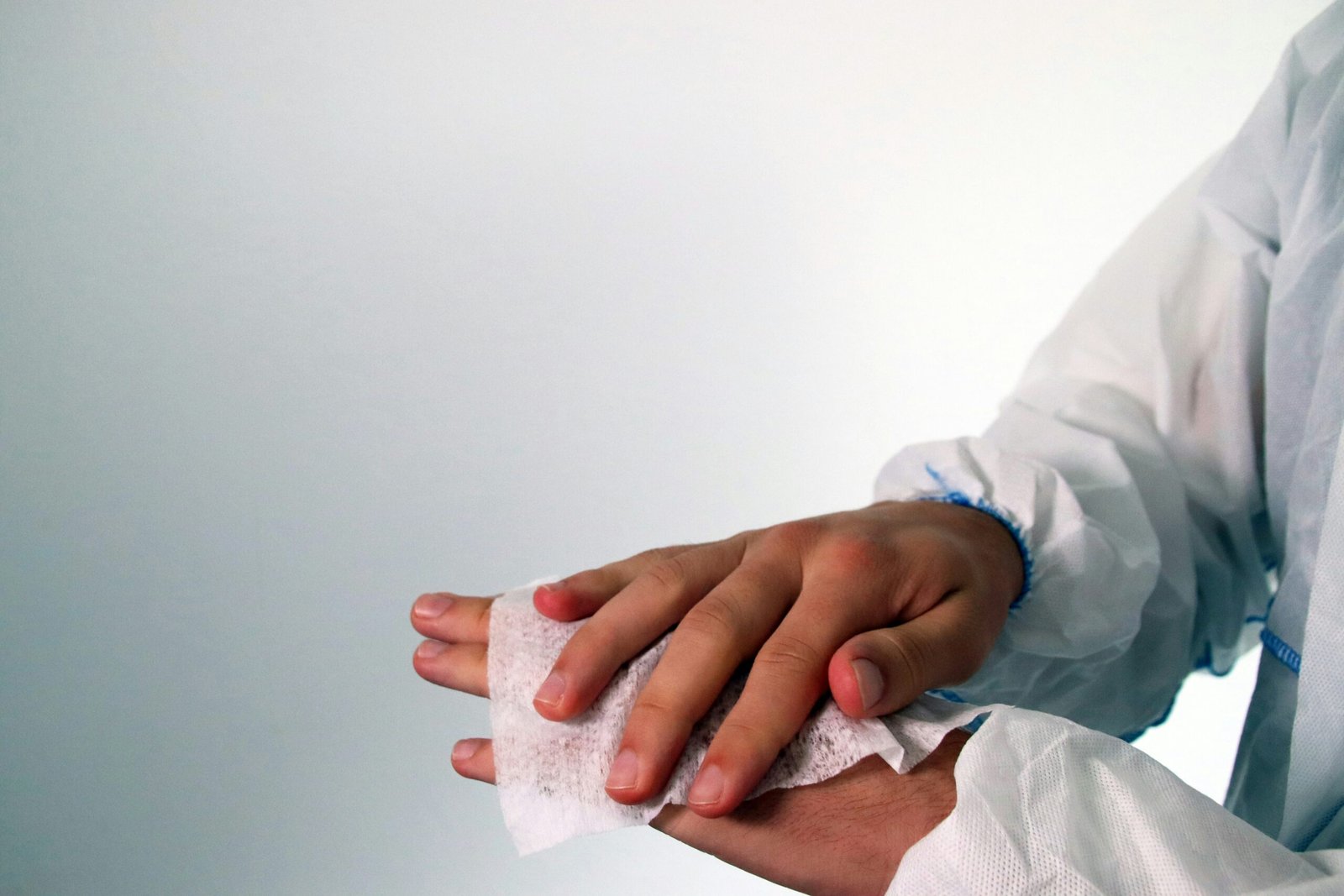
A healing wound may itch because the inflammatory reactions and release of histamine and other chemical mediators in the area, nerve stimulation, new skin formation, dryness, and tension of the skin may all stimulate the skin. A slight itchiness is normal, but it does not necessarily mean that the heal is proceeding normally. The most important tests are whether the wound is healing and if there are no worsening signs such as pain, redness, heat, and swelling or discomfort along with fever or discharge.
Whether you have a small cut, scraped knee, scab, surgical incision, stitches, burn, or scar, understanding why do healing wounds itch can help you manage the discomfort without scratching or applying something that irritates the area.
Is Itching Normal During Wound Healing?
Itching is common on the affected area if the wound is healing. During the skin repair process, chemical signals that make us feel itchiness are generated by white blood cells, a new flap of skin, and damaged nerves getting sensitive back to normal. A person may feel itchiness, tingling, tightness prickling, or a sensation akin to insects crawling on the skin.
The popular adage ‘itching means healing’ is not entirely accurate. The irritated wound may be reacting to adhesive tape, dressing, or ointments, dryness of the surrounding skin, or infection. The most reliable sign pointing to wellness is the absence of such complications. Symptoms like redness, discomfort, and swelling should gradually diminish. If the area becomes hotter, redder, more painful, swollen, and produces yellow fluid, a bad smell, or causes a fever, it is a sign of an infection and should be brought to the physician’s attention.
Normal Healing Itch vs. Warning Signs
| More consistent with normal healing | More concerning for a problem |
| Mild itch that stays the same or gradually improves | Itching that suddenly becomes severe or keeps worsening |
| Slight tightness, dryness, tingling, or prickling | Increasing pain, warmth, swelling, or tenderness |
| The wound edges remain closed | The wound opens, bleeds repeatedly, or stitches separate |
| Little or no drainage | Thick, cloudy, green, yellow, or foul-smelling drainage |
| Redness remains localized and fades | Redness spreads outward or red streaks appear |
| No fever or general illness | Fever, chills, weakness, or feeling unwell |
| Mild irritation under a known dressing | Burning, blisters, or a rash extending beyond the wound |
For example, a scraped knee may become itchy as the scab is drying. If the redness is fading and the pain is going away, this pattern is less worrying than a wound that is getting more painful, hot, swollen, and draining.
Why Do Healing Wounds Itch?
The answer to why do healing wounds itch usually involves several processes happening at the same time. It is rarely caused by one factor alone.
Inflammation and Histamine
If you are wondering why do healing wounds itch, inflammation may be part of the normal healing process. Inflammation begins soon after an injury. The immune cells are attracted to the damaged tissue, where they perform their function of destroying the foreign substances that invaded the intact tissue. During the process, they release some inflammatory mediators, such as histamine and cytokines.
Histamine affects the special receptors in the skin, and the information about it is sent to the brain via nerves, which makes a person feel itch through skin itch signaling. Indeed, histamine plays an important role in causing itch, but it is not the only factor involved in the process. There are other inflammatory mediators responsible for the similar sensations.
That is why people feel an unpleasant, uncomfortable sensation called itch during the period of tissue regeneration. Moreover, sometimes it is accompanied by burning or even sharp pain. These symptoms are highly individual, meaning that every person may experience different consequences after the injury. Please be advised that the size of the wound is not correlated with the level of discomfort a person may feel.
Nerve Irritation and Regrowth
If you are wondering why do healing wounds itch, an injury can disrupt tiny sensory nerves in the skin. As the wound heals, these nerves regenerate and reattach themselves to the surrounding tissues. During the healing process, they might send tingling, prickling, burning, numbness, or even itching sensations to the affected area.
It can happen that after a surgical procedure, with the incision located on a notable area of the skin, one experiences tingling or other strange sensations on the skin around the surgical site.
Newly generated nerve endings do not necessarily indicate that the wound is healing properly. The itching that some people feel is not exclusive to improper healing, and it should also be considered in the context of the injury itself.
New Skin and Collagen Formation
If you are wondering why do healing wounds itch, it may help to understand what happens during the proliferative phase of healing. During this phase, the body repairs the injury site by forming new tissue, replacing the damaged tissue. Skin cells grow back, collagen is produced to provide structure and strength, and new blood vessels are created.
Tightness often occurs where the skin has healed but has not regained its former flexibility. The new wound site may contract (tighten) to reduce the size of the opening. In addition, nerve endings in the skin can cause itching and tingling due to tension during healing.
Scar remodeling occurs when the collagen matrix is reorganized to give the scar more strength. A scar may still feel tight or itchy even after the initial healing process is complete.
Dryness, Scabs, and Skin-Tightening
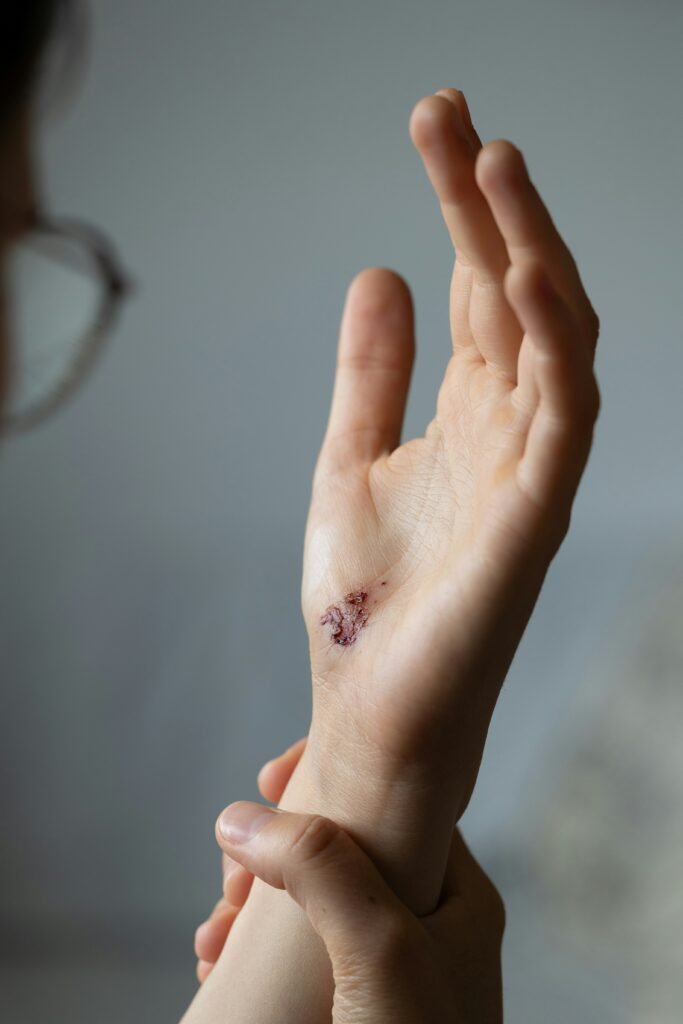
If you are wondering why do healing wounds itch, a scab may be one reason for this sensation. A scab is a semifluid mass that covers a healing sore and consists of blood clots and dried fluids from the wound. Drying and contraction of the clot can lead to the itching of the skin around the sore. Additionally, the skin might be dry because the protective layer was disturbed.
These are the reasons why do scabs itch: combination of the effects of dryness, mechanical tension, sensitivity of the nerve endings, and the formation of new tissue under the scab.
Do not try to remove a scab yourself because it can cause damage to the delicate tissues underneath, leading to bleeding, wound reopening, infection, and scarring.
Irritation From Bandages, Dressings, and Ointments
Sometimes the wound is not the main source of the itching. The surrounding skin may react to:
- Adhesive tape or bandages.
- Surgical glue.
- A wound dressing.
- Antibiotic ointment.
- Fragranced lotion.
- Antiseptic products.
- Latex or another dressing material.
- Sweat trapped under a covering.
A rash beyond the wound border, tracking along adhesive borders, or associated with burning or blistering is not typical of a localized, mild rash. It also may suggest irritation or allergic reaction (contact dermatitis). This is different from the occasional rash or itch that sometimes accompanies a healing incision.
If you think the dressing or product may be the cause, do not remove a surgical dressing or closure material unless told to do so by your healthcare professional. Contact the treating clinician if the reaction is extensive or severe.
Why Do Stitches, Incisions, and Scars Itch?
Itchy Stitches and Surgical Incisions
If you are wondering why do healing wounds itch, the same question can arise with stitches. People often ask, “Why do stitches itch?The itching may result from several factors, including skin and nerve repair, tension around the incision, dry nearby skin, or irritation caused by stitches, surgical adhesive, or medical tape.
Itching around the incision is common as it heals, and you may feel pulling or tugging at the site when you move.
Be sure to follow the post-op instructions given by your surgeon regarding cleaning, covering, and caring for the incision, including when you can resume bathing or showering and exercising.
Don’t assume that an over-the-counter medication is right for your incision.
Some treatments may irritate the incision or be ineffective. It’s best to check with your surgeon, nurse, or pharmacist regarding the use of hydrocortisone cream, antibiotic ointments, petroleum jelly, or an oral antihistamine.
Itchy Scars Months Later
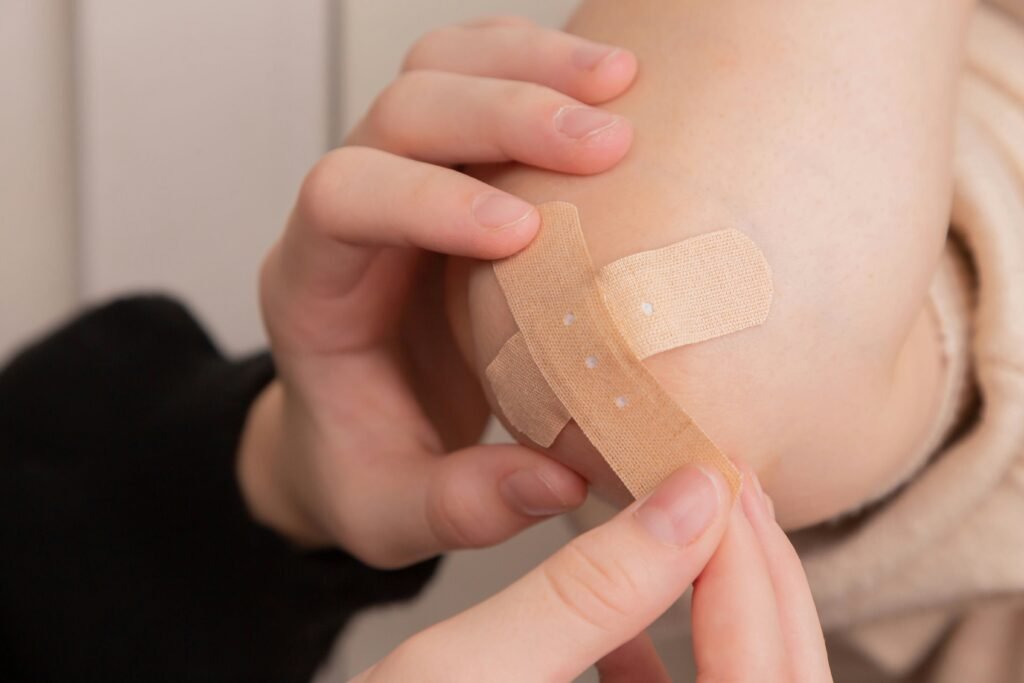
If you are wondering why do healing wounds itch, a scar can still itch after the wound surface has healed.Scar tissue can be dry, less pliable, and less sensitive than normal skin, with nerves repairing themselves while collagen restructures, altering the texture and tightness of the skin.
A fully healed scar can, in some cases, be massaged with an appropriate moisturizer, although massaging should not be done while the wound is still open, draining, scabbed over, or otherwise unhealed. The NHS offers guidance on the care of scars, including avoiding sun exposure and seeking medical attention if a scar becomes inflamed, tender, hot, or noticeably ‘pimples’ with pus.
A raised, inflamed, or uncomfortable scar that is becoming thicker, more uncomfortable, and/or bigger than the original wound may require medical intervention, such as with hypertrophic or keloid scars, but not all itchy scars are abnormal.
Itching During Burn Healing
If you are wondering why do healing wounds itch, healing burns can itch intensely because the skin barrier has been damaged and nerves are recovering. As with other wounds, do not scratch the area. Burns that are serious, deep, extensive, or infected should be treated by a medical professional, rather than at home.
An unperfumed moisturizer may help if the burn has healed, but is dry. Do not put creams or home remedies on an open burn, unless a doctor advised you to do so. The burn may be infected if it becomes redder, warmer, more painful, swollen, or if it starts draining fluid or smelling bad.
How Long Should a Healing Wound Itch?
There is no normal period for wound itch. Small wounds may itch for several days, while the wound heals and the scab falls off. Surgical wounds and scars may itch intermittently for weeks or months, due to prolonged nerve and soft tissue recovery.
The duration of wound itch depends on the wound’s depth, size, and location, as well as the procedure and dressing used, blood circulation, general health, and the presence of any complications. Illnesses such as diabetes and immunosuppression, as well as poor peripheral circulation and nerve damage, can also impair the wound healing process and require professional medical assessment.
| Wound type | Possible itch pattern | When to ask for medical advice |
| Small cut or scrape | Itch may appear as the skin closes and the scab dries | If redness, pain, swelling, or drainage increases |
| Stitches or surgical incision | Itching may continue during closure and scar remodeling | If the incision becomes hot, painful, swollen, open, or wet with drainage |
| Burn | Itching may be strong while damaged skin and nerves recover | If the burn becomes more painful, red, warm, swollen, or foul-smelling |
| Fully closed scar | Intermittent itch may occur during collagen remodeling | If it becomes raised, rapidly enlarges, painful, or movement-limiting |
| Chronic wound | Itch may come from healing, dressings, dryness, or an underlying problem | Seek advice early, especially with diabetes or poor circulation |
A wound that itches a few weeks after healing is not necessarily infected. However, the direction of change is of great importance. The gradual improvement of the condition is not the same as the itching associated with intensification of the symptoms of pain, redness, heat, pus, fever, or separation of the wound.
How to Stop a Wound From Itching Safely
The safest way to relieve depends on the case and instructions that were given. For a minor case, it is better to start with the protection and careful mode of healing rather than using various products.
- Follow any instructions from your surgeon, doctor, or wound-care professional.
- Avoid scratching, rubbing, and picking the scab.
- Apply a cool compress near the area for a short period, but do not place ice directly on the wound or skin.
- Follow the recommended care instructions to keep the wound clean and properly covered as part of proper wound care.
- Wear loose, breathable clothing if fabric is rubbing the area.
- Ask a pharmacist or clinician before using antihistamines, hydrocortisone, calamine, or another anti-itch product.
If you are wondering why do healing wounds itch, a cool compress may temporarily reduce the intensity of the itch by calming local nerve signals. Use a barrier between the cold pack and your skin, and discontinue use if pain, numbness, or coldness occurs.
If the itch is particularly bad at night, try to keep your bedroom cool, use cool and comfortable bedding, trim your nails, and cover your skin in a way that prevents unconscious scratching without being too moist. Your itch may be particularly strong at night because you have fewer distractions, or because the bedding, heat, pressure, or dryness aggravates it.
What Not to Put on an Open Wound
Avoid using multiple creams, oils, and antiseptics on the damaged area. Rubbing alcohol, hydrogen peroxide, scented products, essential oils, and unproven herbal therapies can irritate delicate tissue on an injury. Something that has been tried and tested on intact skin might not be safe to use on a cut, surgical incision, or burn.
Do not apply hydrocortisone cream or antibiotic ointment to an open wound, unless specifically instructed to do so by a healthcare provider. Antibiotic ointments can sometimes cause contact dermatitis, and a topical antibiotic is not always required for minor wounds. Consult a pharmacist or clinician, if in doubt.
Can You Use Petroleum Jelly?
If you are wondering why do healing wounds itch, petroleum jelly may be appropriate for some minor, clean wounds, but it is not a universal answer for every itchy wound. Surgical instructions, wound depth, drainage, infection, and dressing type are relevant considerations.
Avoid using petroleum jelly to mask symptoms or as a substitute for appropriate medical evaluation of an infected, deep, contaminated, draining, or reopening wound.
Is Itching a Sign of Healing or Infection?
People wondering why do healing wounds itch may also ask whether itching is a sign of healing or infection. The most correct answer is that the itching cannot be used to differentiate between normal healing and infection with a high degree of certainty
The most likely signs for a normal abrasion would be some minor itching with a decrease in pain and redness, closed wound, and no fever. However, itching can also indicate infection, which would most likely happen with increased pain, redness, and warmth, swelling, development of pus, foul smell, fever, chills, and overall unwell feeling.
Signs and symptoms that would require immediate medical attention for an abrasion or a puncture wound would include warmth, redness, and pus-like discharge. Other worrying signs would be throbbing-type pain, fever, red streaks running from the wound, and swelling. According to the medical resource, puncture wounds, animal bites, wounds caused by a crush, dirty wounds, and wounds on the feet have a higher risk of infection and require prompt treatment.
When to Contact a Clinician Soon
If you are wondering why do healing wounds itch, arrange medical advice if the wound is not improving, the itch is persistent and severe, a rash develops around a dressing, or the area becomes increasingly tender. Contact the surgical team directly for a postoperative wound if you observe signs that require their specific intervention, as their post-surgery care advice might differ.
It is also advisable to contact them for an itchy wound in the case of diabetes, poor circulation, loss of sensation, immunosuppression, or history of slow healing.
When to Seek Urgent Care
If you are wondering why do healing wounds itch, it is also important to recognize signs that may indicate a complication. Call for immediate medical help if the redness spreads widely, there are red streaks going away from the wound, significant or increasing pain, fever with a worsening wound, thick or foul-smelling discharge, significant swelling, uncontrollable bleeding, opening of a suture line, exposure of tissues, a deep puncture wound, a serious burn, or an animal or human bite.
Do not try to look for a specific sign of sepsis, such as a sepsis scab. Sepsis is a dangerous condition that affects the entire body and cannot be diagnosed based on one damaged area. If a wound turns out to be accompanied by severe illness, delirium, trouble breathing, fainting, or other worrying signs, it is necessary to call for an ambulance.
Frequently Asked Questions
1.Does itching always mean a wound is healing?
No. Mild itching commonly occurs during healing, but it is not proof that recovery is normal. Itching can also result from an allergic reaction, dry skin, a dressing, an ointment, or infection. Check whether pain, redness, swelling, warmth, drainage, and general symptoms are improving or worsening.
2.Why do healing wounds itch more at night?
Itching at night may feel more intense due to a lack of distractions, as well as warm temperatures or dry air, pressure from bedding, snug clothing, or a reaction to your mattress. Make sure to keep the area guarded and the room at a comfortable temperature.
3.Can I scratch a healing scab?
Try not to scratch or pick it. Scratching can reopen fragile tissue, cause bleeding, delay closure, increase scarring, and transfer bacteria from your hands, increasing the risk of wound infection. Use a cool compress or gently press around the area instead.
4.Why do stitches itch after surgery?
Stitches can be itchy due to the healing of the incision, return of nerve function, and skin tightening. The use of surgical tape, glue, dressing, or ointments may also irritate the skin. Increased redness, warmth, swelling, drainage, pain, fever, or skin separation over the incision should be reported to the surgical team.
5.Is a yellow wound discharge always pus?
No. Small amount of thin, pale fluid is common with healing wounds. Thick, cloudy, increasing, foul-smelling, green or yellow drainage, especially associated with pain, warmth, tenderness or fever, is often a sign of infection. If you have any concerns or are uncertain about the cause, consider consulting a qualified professional for proper evaluation.
6.How long can a scar remain itchy?
A scar might be itchy for a few weeks or months since the body replaces collagen and nerve endings. If the itch is severe and persistent or occurs together with the increased pain, puffiness or redness, or it moves, thickens rapidly or limits a movement, you need to seek medical advice.
7.What is the safest way to relieve an itchy wound?
Adhere to the wound-care instructions provided by your clinician, avoid scratching, and apply a cool compress with a protective barrier. In addition, ask a pharmacist or clinician for advice before applying medication or an anti-itch cream, particularly to an open wound or surgical incision.
Conclusion
If you are wondering why do healing wounds itch, the usual explanation is a combination of inflammation, histamine and other chemical signals, nerve recovery, new skin growth, dryness, scab tension, and scar remodeling. Mild itching can be a sign of the healing process, but do not rely on one test to confirm or deny healing and always look to the bigger picture. Seek professional advice if your pain increases, becomes widespread, the skin around the wound turns red, warm or sore, there is swelling, pus, unpleasant smell, fever or if you have a rash that covers a large area or the wound is opening up.
Avoiding further irritation, using only suitable antiseptics and medications and following any specific advice your doctor gives you about surgical, burn, chronic or other type of wounds are some ways to accelerate the healing process.











