


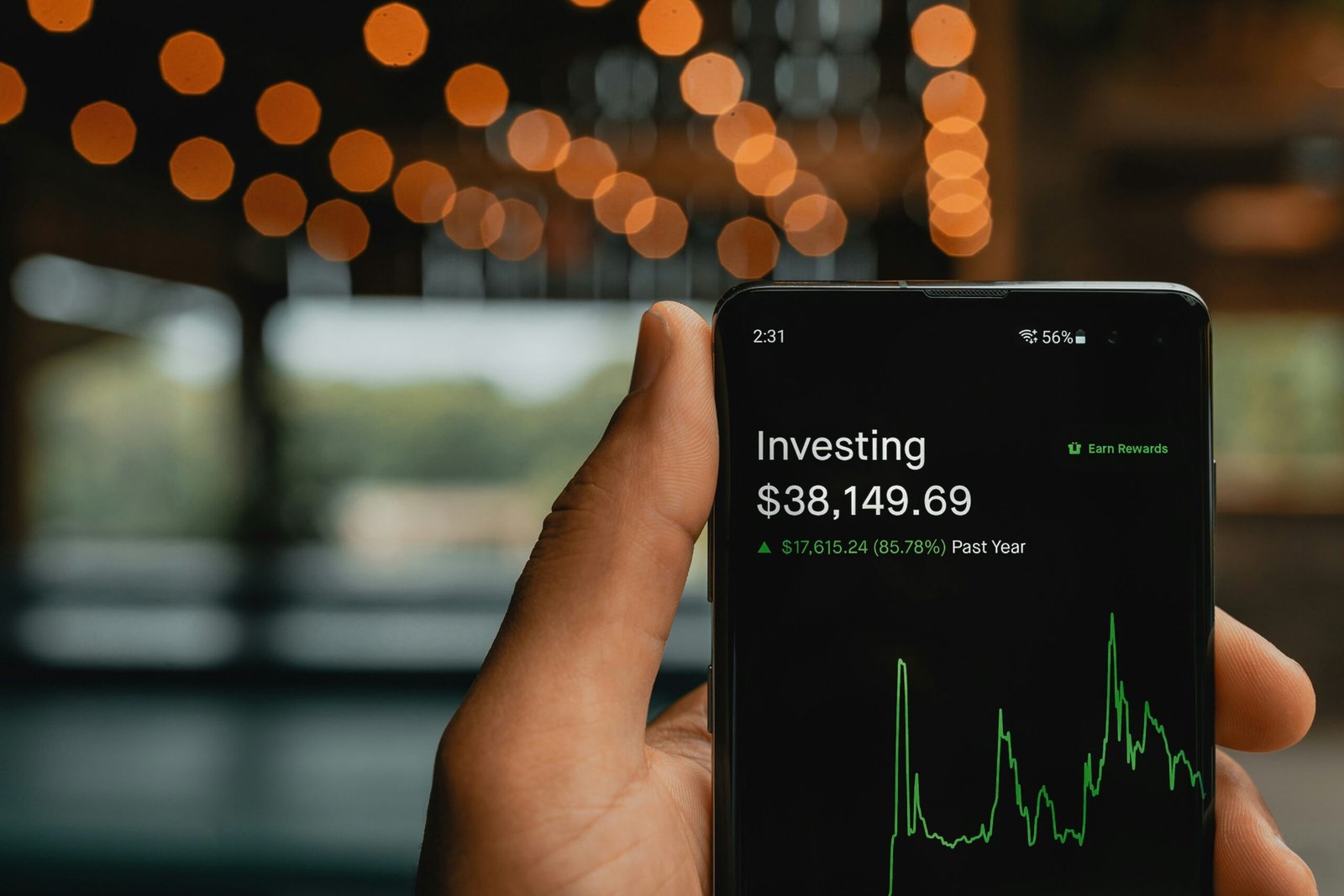
Wefunder is an online platform that connects startups and small businesses with people who want to invest in private companies. Depending on the offering, investors may receive equity, a SAFE, a convertible note, debt, or another type of security.
The platform can make startup investing more accessible, but it does not make these investments safe or guaranteed. Private startup investments can lose all their value, may be difficult to resell, and may require investors to wait years for a possible outcome. Wefunder itself warns investors to treat startup investing as high risk and assume they may lose their entire investment.
Wefunder also serves founders who want to raise capital from a wider community rather than relying only on venture capital firms, angel investors, or bank financing. This guide explains how Wefunder works, what it costs, how Regulation Crowdfunding affects investors, what risks to consider, and how it compares with Republic.
What Is Wefunder?
Wefunder is a crowdfunding platform for startup and small-business fundraising. Companies use it to present an offering, communicate with potential investors, collect commitments, and complete a financing round under the applicable securities rules.
For investors, Wefunder provides access to private-company offerings that may not be available through a traditional brokerage account. For founders, it offers tools and services designed to support fundraising, compliance, investor communication, and post-funding administration.
Wefunder is not the same as a stock exchange. When you buy a publicly traded stock, you can usually see a market price and place a sell order during market hours. A startup investment on Wefunder is generally private, less liquid, and dependent on the company’s future performance.
| Question | Answer |
| What is Wefunder? | An online platform for startup and small-business fundraising and investing. |
| Is Wefunder a stock market? | No. Most offerings involve private-company securities. |
| Can investors make money? | Possibly, but no return is guaranteed. |
| Can investors lose everything? | Yes. A startup can fail or lose its value. |
| Can investors sell easily? | Usually not. Private securities often have significant resale restrictions. |
| Can founders raise money automatically? | No. A campaign still requires disclosures, marketing, and investor interest. |
Wefunder is a platform, not the company being funded. Each startup is a separate investment decision, and the platform’s existence does not prove that every listed business is financially sound.
How Wefunder Works for Investors
1. Browse startup offerings
Investors can review companies seeking capital through community rounds, private rounds, and other offering structures. A campaign page may include:
- Business description.
- Funding target.
- Valuation or pricing.
- Security type.
- Minimum investment.
- Use of proceeds.
- Financial information.
- Risk factors.
- Founder responses and updates.
A campaign page is a starting point for research, not a substitute for investment due diligence.
2. Review the security
Do not invest based only on the company’s story or product. Start by checking what you are really purchasing and what it includes.
You may see:
- Equity.
- SAFE agreements.
- Convertible notes.
- Debt.
- Revenue-share arrangements.
- Interests held through a special-purpose vehicle.
These structures can have different ownership, conversion, repayment, voting, reporting, and exit rights.
3. Commit funds
The investor selects an amount, completes the required disclosures, reviews the terms, and chooses a payment method. Wefunder lists methods that may include ACH bank transfers, credit cards, wire transfers, Wefunder Cash, stablecoin, and self-directed IRAs, although availability and fees can vary by investment and payment method.
4. Wait for closing
The campaign may have a target, minimum, deadline, and closing process. The outcome depends on the offering terms. Read the agreement carefully to understand what happens if the target is not reached, the company changes the terms, or the campaign is canceled.
5. Hold the investment
Private startup securities are usually long-term investments. Wefunder discloses that there may be no established trading market and that investors may not be able to sell when they want.
Do not invest money that you may need for rent, debt payments, emergencies, tuition, or near-term goals.
How Wefunder Works for Founders
Wefunder can help a business present a fundraising campaign to a community of potential investors. The founder usually needs to prepare the offering, provide required information, communicate the opportunity, and attract enough interest to close the round.
A typical process includes:
- Determine whether community fundraising fits the company.
- Choose the offering structure.
- Prepare business and financial disclosures.
- Set the fundraising terms.
- Create the campaign page.
- Market the campaign to customers and supporters.
- Answer investor questions.
- Complete the closing process.
- Maintain investor communication and reporting.
Wefunder’s founder materials emphasize that companies often need their own customers, fans, or community to create momentum. A platform can provide infrastructure, but it cannot manufacture product-market fit or guarantee that strangers will invest.
Example
A consumer company with loyal customers may use a community round to let supporters become investors. By contrast, a pre-revenue business with no audience, unclear use of funds, and an unrealistic valuation may struggle even if it is accepted onto a platform.
Founders should also consider whether managing many investors will create administrative work. A broad investor base can provide community support, but it may also create additional communication, reporting, and cap-table responsibilities.
Regulation Crowdfunding Explained
What is Reg CF?
Regulation Crowdfunding, commonly called Reg CF, is a U.S. securities exemption that allows eligible companies to raise capital from a broad group of investors through an authorized intermediary.
The framework includes:
- Company fundraising limits.
- Investor investment limits.
- Required disclosures.
- Intermediary rules.
- Restrictions on resale.
- Financial-statement requirements that can vary with the size of the raise.
The Securities and Exchange Commission says a company can raise up to $5 million through Regulation Crowdfunding during a 12-month period.
Current investor limits
For non-accredited investors, the SEC describes limits based on annual income and net worth:
- If either annual income or net worth is below $124,000, the investor can invest the greater of $2,500 or 5% of the greater amount.
- If both annual income and net worth are at least $124,000, the investor can invest up to 10% of the greater amount.
- The total investment limit across Regulation Crowdfunding offerings is capped at $124,000 during a 12-month period.
The SEC and Investor.gov should be checked before investing because rules and inflation-adjusted thresholds can change.sec+1
Common offering structures
| Offering type | What it generally means | Main issue to review |
| Regulation Crowdfunding | Broad fundraising under a securities exemption | Disclosures, limits, and resale restrictions. |
| Regulation D | Private offering under a different exemption | Eligibility and disclosure requirements. |
| Regulation A+ | Larger public-facing exempt offering | Qualification, reporting, and offering limits. |
| SAFE | Agreement for future equity | Conversion terms and possible lack of immediate ownership. |
| Convertible note | Debt that may convert into equity | Interest, maturity, conversion, and default terms. |
| Equity | Ownership interest | Valuation, dilution, voting rights, and liquidity. |
| Debt | Loan or repayment claim | There is a risk that the company may be unable to repay what it owes. |
These are general explanations, not legal advice. The actual agreement controls.
What Fees Does Wefunder Charge?
Wefunder fees differ according to the type of raise, the security structure, and how investors participate.

According to Wefunder’s current founder FAQ:
- Reg CF raises may incur a 7.9% fee on the total amount raised if the campaign succeeds.
- There are no upfront fees in the described Reg CF arrangement.
- An annual administrative fee may also apply.
- Private rounds use a different fee structure.
Wefunder’s private-round information says a special-purpose vehicle may involve a one-time setup fee, management fees, carried interest, or other costs depending on the structure.
| Fee category | What to check |
| Reg CF platform fee | Percentage charged after a successful raise. |
| Annual administration | Ongoing post-funding administration costs. |
| SPV setup | One-time fee for creating a special-purpose vehicle. |
| Management fee | Ongoing fee in certain private-round structures. |
| Carried interest | Potential share of profits in some structures. |
| Payment costs | May vary by payment method. |
| Legal and filing costs | May affect the company’s net proceeds. |
Illustrative calculation
If a company raises $100,000 and a 7.9% platform fee applies, the fee would be $7,900 before any other costs. This is only an illustration. The current agreement and offering structure determine the actual amount.
Investors should check whether a fee is charged directly to them, deducted from the company’s proceeds, or built into a special-purpose vehicle. Founders should calculate net proceeds rather than looking only at the headline fundraising target.
What Are the Risks of Wefunder Investing?
Total loss
A startup can fail, run out of money, become insolvent, or lose its market. Investors may receive nothing.
Illiquidity
Wefunder states that there may be no established trading market for the securities it offers. You may have difficulty selling the investment when you need to.
Long holding period
A successful exit may take years, and there may be no exit at all. A company does not need to provide a quick path to liquidity simply because it raised money online.
Dilution
If the business raises more capital later, your percentage ownership may decrease. A company can grow while your relative ownership becomes smaller.
Valuation risk
A company’s stated valuation is not the same as a public market price. There may be no independent buyer setting a daily value.
Limited information
Startups generally disclose less information than public companies. Financial statements may be less extensive, and business forecasts may be uncertain.
Security-specific risk
An equity share, SAFE, convertible note, and debt instrument can produce different outcomes. An investor should not assume that the word “investment” means direct ownership with voting rights.
| Risk | What it means |
| Loss of capital | You could lose part or all of the money you invested. |
| Illiquidity | You may not be able to sell when needed. |
| Dilution | Future fundraising may reduce your percentage ownership. |
| Business failure | The company may close or restructure. |
| Valuation uncertainty | The stated value may not reflect a market price. |
| Limited rights | Your security may provide little control or information. |
| No guaranteed return | Dividends, repayments, and exits may never occur. |
| Long time horizon | Your money may remain committed for years. |
FINRA warns that crowdfunding investments can be highly speculative and difficult to resell.
How to Evaluate a Wefunder Offering
Before investing, review the company through investment research rather than relying on its campaign presentation alone.
Business and market
Ask:
- What does the company sell?
- Who pays for it?
- How large is the target market?
- What makes the business different?
- Who are its main competitors?
- Does the company have repeat customers?
Financial position
Review:
- Revenue.
- Operating expenses.
- Cash balance.
- Debt.
- Prior funding.
- Monthly burn rate.
- Use of proceeds.
- Financial projections.
Founders and team
Look for:
- Relevant experience.
- Previous companies.
- Industry knowledge.
- Full-time commitment.
- Evidence that the team can execute the plan.
Investment terms
Identify:
- Security type.
- Valuation or price.
- Valuation cap.
- Discount rate.
- Interest rate.
- Maturity date.
- Conversion triggers.
- Voting rights.
- Information rights.
- Dilution provisions.
- Liquidation preferences.
Read the Form C
For a Reg CF offering, the Form C and related disclosures may include information about:
- The business.
- The offering.
- Use of proceeds.
- Owners and control.
- Financial condition.
- Material risks.
- Related-party transactions.
- Financial statements.
- Security terms.
A campaign with vague use of funds, aggressive projections, inconsistent financial information, or pressure to invest quickly deserves additional scrutiny.
Can You Sell a Wefunder Investment?
You should generally assume that resale will be difficult or unavailable when you want it.
Regulation Crowdfunding securities are subject to private investment resale restrictions, including a general one-year restriction with limited exceptions. Even after that period, there may be no willing buyer, organized marketplace, or company-sponsored liquidity event.
A startup may eventually be acquired or go public, but neither outcome is guaranteed. A company can grow successfully while still providing no practical way for every early investor to sell.
Is Wefunder Legitimate?
Wefunder is an established crowdfunding platform associated with startup fundraising and Regulation Crowdfunding. That does not mean every company on the platform is a good investment, and it does not eliminate the risks of private securities.
To protect yourself:
- Use the official Wefunder domain.
- Review the platform’s current disclosures.
- Read the specific offering documents.
- Confirm the security type.
- Check the company’s financial information.
- Understand the fees.
- Be cautious of anyone promising guaranteed returns.
- Avoid sending money outside the platform’s documented process.
The platform’s legitimacy and an individual company’s quality are separate questions.
Republic vs. Wefunder
Both Republic and Wefunder offer access to startup and private-company fundraising, but their available offerings, fees, investor services, and structures can change.
The comparison is not a recommendation. Republic and Wefunder may list different companies, terms, investment structures, and fee arrangements. Compare the specific opportunity—not only the platform.
Is Wefunder Good for Founders?
Wefunder may be suitable for a company that:
- Has a loyal customer or fan base.
- Can explain its product clearly.
- Has evidence of demand.
- Is comfortable sharing relevant financial information.
- Can answer investor questions.
- Has a realistic valuation.
- Can manage ongoing investor communication.
It may be less suitable for a founder who:
- Needs confidential fundraising.
- Has no community or distribution channel.
- Cannot support disclosure work.
- Wants one strategic investor.
- Is not prepared to manage a larger investor group.
- Has not calculated net proceeds after fees and administrative costs.
Community fundraising works best when the investor relationship supports the company’s broader strategy. It should not be treated as a substitute for sales, customer validation, or financial planning.

Frequently Asked Questions:
What is Wefunder?
Wefunder is an online platform that helps startups and small businesses raise capital from individual investors. The security may be equity, debt, a SAFE, a convertible note, or another structure.
Is Wefunder safe?
Wefunder may be a legitimate crowdfunding platform, but startup investing is not safe in the same sense as a guaranteed bank deposit. Investors can lose some or all of their money, and private securities can be difficult to resell.
How much can I invest on Wefunder?
For Reg CF offerings, non-accredited investor limits depend on annual income and net worth. Current SEC guidance includes a minimum calculation based on $2,500 or 5% of the greater financial measure, a 10% calculation for higher income or net-worth thresholds, and a $124,000 aggregate 12-month maximum. Verify current rules before investing.sec+1
What fees does Wefunder charge?
Wefunder’s current materials describe a 7.9% fee on successful Reg CF raises, plus possible annual administration costs. Private rounds and SPV investments can have different setup, management, carried-interest, or administrative fees.help.wefunder+1
Can I lose all my money on Wefunder?
Yes. A startup can fail, become insolvent, or lose its value. Only invest money you can afford to lose completely.
Can I sell my Wefunder investment?
You should assume that selling will be difficult or impossible when you want to sell. Private startup securities generally lack a liquid market and may have transfer restrictions.
Is Republic or Wefunder better?
Neither is automatically better for every investor or founder. Compare the specific company, security, valuation, fees, investor rights, disclosures, and liquidity expectations on each platform.
Conclusion
Wefunder connects startups and small businesses with people who want access to private-company investments. It can help founders raise money from an engaged community and give eligible investors a way to support early-stage companies.
The platform does not remove startup risk. Before using Wefunder, review the security type, fees, valuation, dilution risk, resale restrictions, financial information, and use of proceeds. When comparing Republic vs. Wefunder, focus on the individual offering and total cost rather than assuming one platform is universally better.
This article is for general information, not personalized financial, legal, or tax advice. Check the current Wefunder, SEC, Investor.gov, and FINRA guidance before investing or launching a campaign.











