

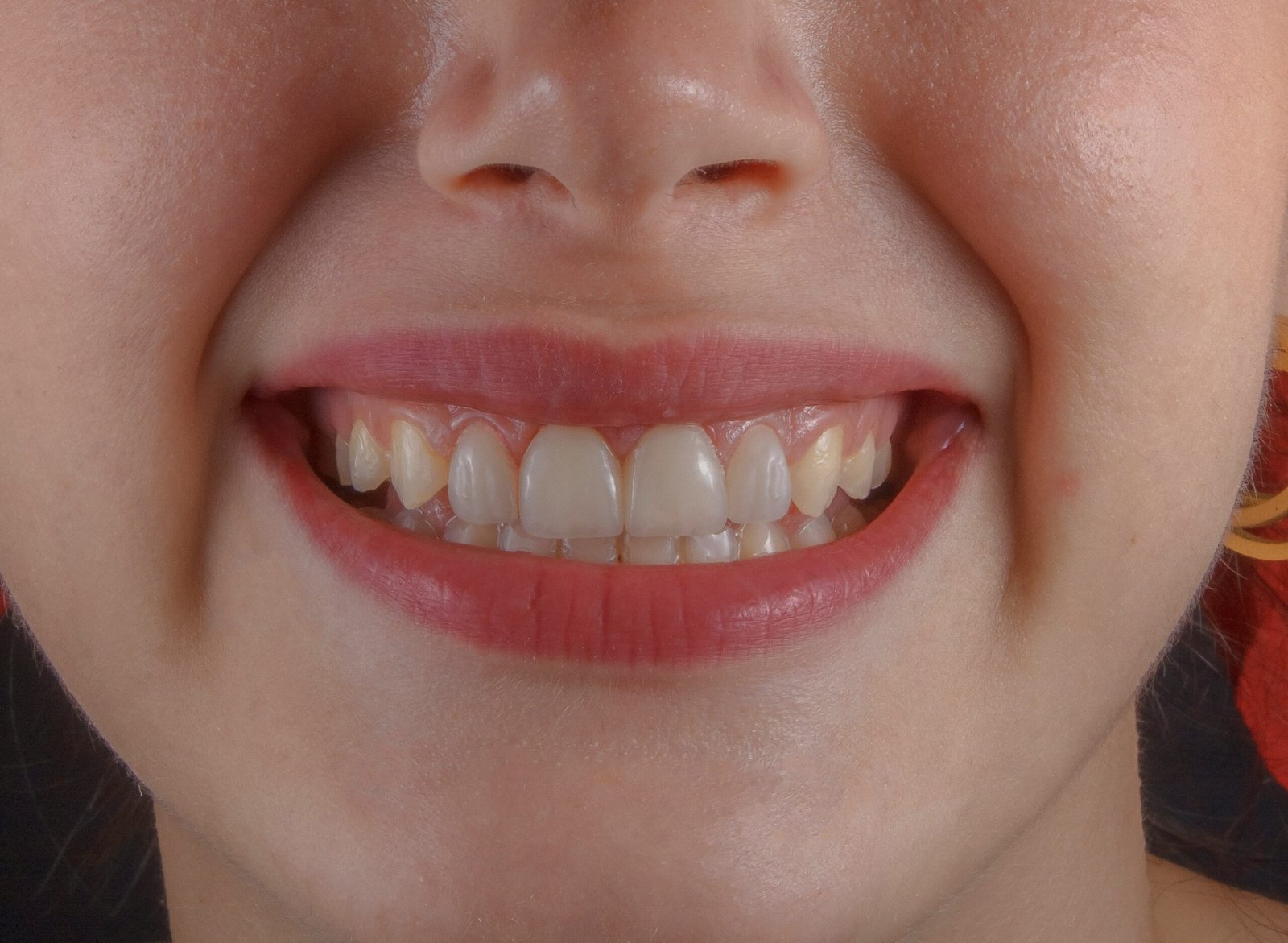
A small piece of your tooth chips off – it can be purely aesthetic, a cause for concern, or something in between. The amount of damage and the type of restoration to fix your chip depends on the size and location of the fracture, if any damage is present to your nerves, and what your dentist believes will restore your bite and smile. Your dentist will consider a smooth down, dental bonding, a veneer, or a crown when repairing this damage; if a deeper nerve is impacted, a root canal may be the best course of treatment.
So, how much to fix a chipped tooth? There is no set fee and you should check with the individual dentist; this type of restoration could be quite basic or more complex where the tooth’s inner pulp has been damaged, rendering the tooth quite weak. In many cases it is possible to effectively repair the chipped tooth without having to resort to the extraction of the tooth. Usually the dentist will want to look at the tooth with potentially an X-ray if there’s an implication of root damage and appearance and tooth structure and strength should both influence any recommended treatment.
What Determines the Cost of Fixing a Chipped Tooth?
The biggest factor is the severity of the chip. A tiny piece missing from the edge of a healthy front tooth requires very different treatment from a tooth that has fractured deeply.
When considering how much to fix a chipped tooth, it helps to understand that dentists may use several approaches, including smoothing or polishing, composite bonding, fillings, veneers, crowns, and root canal treatment. According to Cleveland Clinic, treatment for chipping may involve observation for minimal chipping, to the need for major restorative dentistry for larger pieces.
Where it occurs also makes a difference, too. A tiny chip on your front tooth might only affect aesthetics, where a chip in a molar could influence eating and require a restoration capable of handling more pressure while chewing.
Other factors include:
- The material used for the restoration
- Whether the tooth has decay
- Whether the nerve or pulp has been affected
- The dentist’s fees and location
- Whether X-rays or other diagnostic work is needed
- Whether dental insurance contributes to the treatment
- Whether the repair is considered cosmetic or restorative
- The condition of the surrounding teeth and gums
Because these variables differ from person to person, online price ranges should be treated as estimates rather than guaranteed quotes.
Typical Treatment Options and Their Costs
There are several ways to repair a chipped tooth. The least expensive approach is not necessarily appropriate for every chip, and the most expensive option is not automatically the best one.
Smoothing or polishing
If only a very small amount of enamel has chipped away and the tooth remains healthy, a dentist may simply smooth the rough edge.
This can be a quick solution when the main issue is a sharp or uneven edge rather than a significant loss of tooth structure. In some cases, a tiny chip may not require restorative material at all.
Because little or no material is added to the tooth, this is generally simpler than bonding, veneers, or crowns. Your dentist can determine whether smoothing is appropriate without compromising the tooth’s shape or function.
Composite dental bonding
Among the simplest treatment methods for minor cracks, especially in the front teeth, is dental bonding. As its name indicates, this restoration involves filling in the damaged areas with composite resin in the same shade as the tooth. After adding, shaping the material to match, and hardening it, the area is polished.
The Cleveland Clinic explains that “Bonding is relatively simple, minimally invasive in nature; it may also be a cost-effective way of correcting a chipped or decayed tooth in a single session.
[The cost is affected by factors such as the] dentist who performs it; number of teeth treated; amount of the tooth affected; if additional procedures are performed.” When you are able to preserve more of your existing tooth structure than you would with a dental crown, and if your chip is fairly small, bonding can often provide a less costly cosmetic solution. Keep in mind that a bonded area is not immune from damage. The material can also crack, chip, and even degrade if habits like chewing on fingernails, pens, or use of your teeth to open boxes become the norm.
Dental filling
Repair or restore part of the tooth with a tooth-colored filling In some situations when part of the tooth chips away near or on the back of your tooth, and when some tooth decay is present, your dentist may use a tooth-colored filling as a “patch.” Your dentist will drill out unhealthy material and use a tooth-colored composite restorative material inside the prepared tooth area. Once complete, the tooth is contoured by your dentist. The size and place of the tooth-coloredfilling and the material it contains factors into the expense.
Veneers
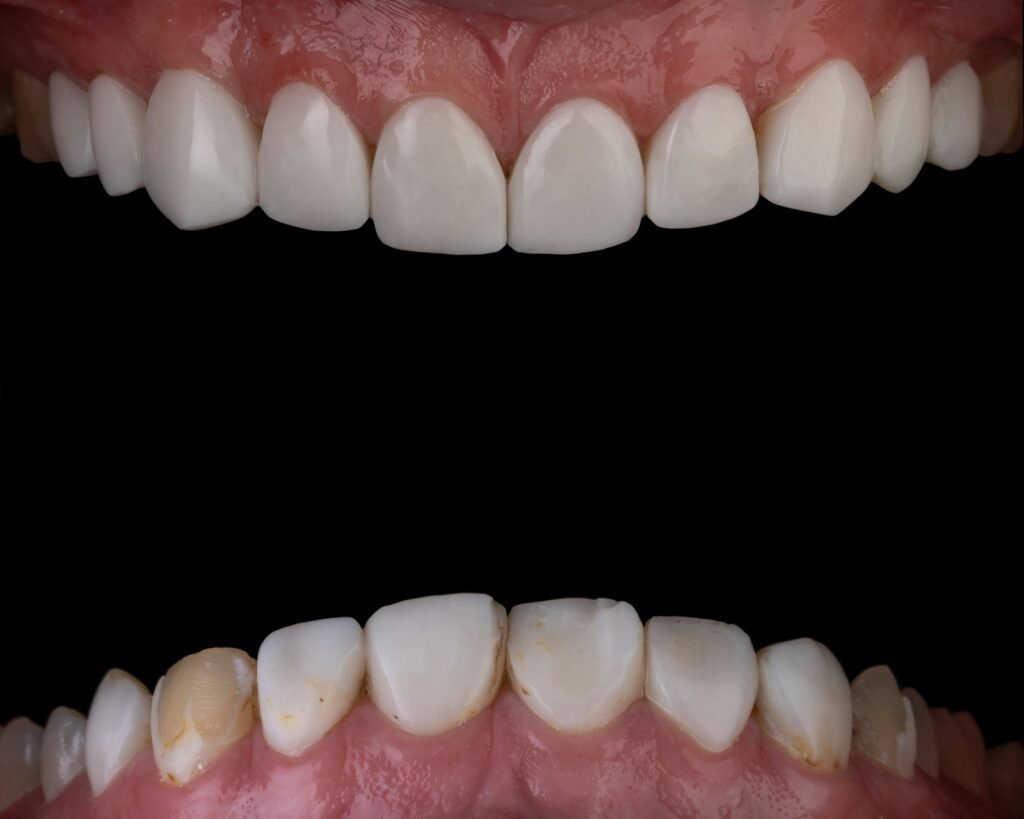
A veneer is defined as a thin layer of material that covers only the front face of the tooth. A veneer would mask a chip and make an unsightly front tooth look aesthetically pleasing. Hence the use of a veneer is possible where the dominant issue is that of appearance alone.
A veneer can be differentiated from a crown because it only covers the front face of a tooth unlike the full cover provided by a crown. The Cleveland Clinic states that”Veneers are dental restorations used to cover chips, cracks, discoloration, spacing, and chips, among other cosmetic dental concerns.”
For the cost they can be Significantly more expensive than simple bonding, particular if it is the porcelain material of veneers. A concern is enamel prep and the future need for replacement.
It might be therefore not suitable for a very small chip when a bonding process produces a suitable restoration.
Dental crown
This provides a wider covering over the tooth, and it’s normally utilized if the tooth has experienced major destruction or require an elevated degree of structural assistance as compared to is gained by typical bonding. This is considered when a major amount of the tooth has been lost; if the staying part is weak; or if the injury impacts beyond the capacity of usual bonding to restore. Cost: This treatment generally costs extra as the dental crown procedure requires much more preparation and a dental laboratory or fabrication component than a basic bonding treatment.
Material, of training course, affects rate too.
It can consist of porcelain, ceramic, resin, steel, or a combination of products– depending on where the tooth is, and so on.
Root canal and crown
A chip that gets into the inner pulp of your tooth. “If this is the case, it often necessitates a root canal first, then the permanent restoration of the tooth,’ according to Cleveland Clinic. ‘Severe chips often need the treatment that goes with a root canal (which often means needing a cap for the tooth,’” it also notes. This price would be much higher as you’re paying for more than just work only to have it be viewed.
Why the Same Chipped Tooth Can Have Different Prices
Two people can be told they have a comparable chipped tooth and require a totally different plan of treatment. Two examples follow.
Say two people chipped their front teeth, a small sliver of material came off of each front tooth. The first tooth is sound, and the chip only impacts the enamel. Your dentist may polish it down, or apply some bonding.
The second tooth, however, has decay under the chip, old fillings inside of it or is more fractured than it appears. If this is the case, applying simply some resin to bond it may not be the answer. You want to keep this tooth as strong and protected as possible!
The distinction is really not only based on how big the chip is. It really depends on how healthy the tooth underneath the chip has been!
This is reason dentists need to see the tooth to give proper treatment suggestions!
How Dentists Determine What You Need
The evaluation usually begins with an examination of the damaged tooth and the surrounding area, allowing the dentist to determine the most appropriate treatment options for a chipped tooth.
Your dentist may check:
- How much tooth structure has been lost
- Whether the remaining tooth is stable
- Whether there are cracks extending beyond the chip
- Whether the bite places excessive pressure on the area
- Whether decay is present
- Whether the tooth is sensitive
- Whether the pulp may be affected
Sometimes the dentist might suggest getting X-rays when the damage to the tooth can’t be viewed from the outside. When determining which restoration should be used, the dentist will take into account whether the treatment goal is to mostly improve the tooth’s appearance and how resilient the tooth must be from the chewing forces placed on it. For instance, a front tooth having a minor chip might best be treated with bonding if appearance is important to you, while a badly chipped molar might require a restoration that is constructed to bear the stress of chewing chewing.
Does Dental Insurance Cover a Chipped Tooth?
Insurance coverage depends heavily on why the tooth was chipped and what treatment is required.
When considering how much to fix a chipped tooth, it is also important to understand that the cause of the damage can affect how the repair is handled. If the damage resulted from an accident or injury, certain dental plans may treat the repair differently from a purely cosmetic procedure. A restoration required to protect a damaged tooth may also be handled differently from an elective cosmetic enhancement.
Your insurance plan may have its own deductibles, annual limits, exclusions, waiting periods, and restrictions on specific procedures.
Before agreeing to an expensive treatment, ask the dental office for an estimate and ask your insurer whether the planned procedure is covered.
If insurance is involved, it can also be useful to ask whether the dentist is in-network and whether the proposed treatment requires preauthorization.

What You May Pay Beyond the Actual Repair
The quoted restoration price may not always represent the entire bill.
The appointment may cover examination, X-rays, anesthesia, placement of a temporary restoration, building the tooth up or treatment of the initial damage.
An example would be a severely fractured tooth, in need of a crown, where there isn’t a strong enough tooth left under the crown, for example. You’d need other restorative work prior.
Or perhaps where the damage involved the pulp, you may need root canal treatment to become incorporated into the treatment plan.
Request an itemised quotation so you are clear on what services are covered and which you have to pay extra for.
How to Handle a Chipped Tooth Before Your Appointment
Don’t use household glue, nail files or other makeshift tools DIY procedures you use to try to reshape you chipped tooth may strip away more healthy enamel than help make it less noticeable or could even set up for biting problems If you feel that there’s a sharp area on the chipped part of your mouth try not to touch it with your tongue or cheek every bite that you do If you can’t bite down comfortably on foods there are softer ones that you could and try not to eat from you tooth even directly.
If you were injured and have pain, swelling, bleeding or other significant symptoms consult immediately a dentist In cases in which your chipped tooth chipped or fractured and a larger section chipped off and if it’s easily obtainable without posing further danger you should bring that piece into you dentist ‘ office; he will see if they can uses it or not.
When a Chipped Tooth Needs Urgent Attention
Not every chip is an emergency, but certain symptoms warrant prompt evaluation.
Seek urgent dental attention if the injury is accompanied by:
- Severe or increasing pain
- Significant sensitivity to hot or cold
- Bleeding that does not stop
- Facial swelling
- A visibly displaced tooth
- A large portion of the tooth breaking away
- Difficulty biting normally
- Signs of infection
Deep Cracks Severe cracks or chips that extend into the internal parts of the tooth and the pulp can pose additional problems and may require a root canal. If it was a severe injury that affected the face or jaws, the dentist may also have to take x-rays or look at other teeth.
Bonding vs. Veneer vs. Crown
Choosing between these treatments is not simply a question of price. Each serves a different purpose.
| Treatment | Common use | Main advantage | Main consideration |
| Smoothing | Very small chip | Simple and conservative | Not suitable for substantial damage |
| Bonding | Minor to moderate cosmetic chip | Minimally invasive and usually quick | Can chip or wear over time |
| Filling | Damaged area, especially some back teeth | Restores missing material | May not provide enough protection for major damage |
| Veneer | Cosmetic front-tooth imperfections | Excellent cosmetic coverage | More involved and not primarily structural |
| Crown | Significant structural damage | Covers and protects the tooth | More extensive treatment |
| Root canal + crown | Pulp involvement with major damage | Treats the inside and protects the tooth | More procedures and higher overall cost |
Dental bonding generally requires less alteration of the natural tooth than veneers or crowns, while crowns are intended to provide greater structural coverage for restoring damaged tooth structure.
Ways to Keep the Cost Manageable
The key to control the expense of your dental treatment is not always to pick the least expensive. Address your tooth now rather than letting it grow into something more significant.
Small chip that can be fixed by bonding is only a minor one now; it might develop a greater problem or even be fractured if left uncorrected.
Discuss reasonable treatment plans with your dentist. If your tooth can support multiple alternative plans you’ll be able to compare cost, longevity, aesthetics, the number of natural tooth parts involved.
You can also ask:
- Is this repair medically necessary or primarily cosmetic?
- What happens if I leave the chip untreated?
- Could bonding work instead of a veneer or crown?
- Does the tooth need an X-ray?
- Are there additional procedures included in the estimate?
- What part might insurance cover?
- How long is the proposed restoration expected to last?
- What could cause it to fail sooner?
These questions can make a treatment estimate much easier to understand.
How Long Do Chipped Tooth Repairs Last?
Longevity depends on the material, location of the tooth, size of the restoration, bite forces, and daily habits.
When considering how much to fix a chipped tooth, composite bonding can be an affordable and conservative option, but its longevity can vary. Bonding can be long lasting. However bonding does not resist wear and staining as much as some other methods. Dental bonding may last between 3 to 10 years before being touched up or replaced (Cleveland Clinic), but again this can vary greatly.
Crowns are also likely to need replacing over time. Cleveland Clinic suggests this to be 5-15 years (depending on how well they are looked after), but this is very variable.
Proper oral hygiene, attendance to the dentists and avoidance of biting on hard objects as well as using the teeth as a tool will all assist with any restorations while supporting long-term healthy dental care habits.
Common Mistakes After Repair
A repaired tooth can still be damaged if the habits that caused the original problem continue.
When considering how much to fix a chipped tooth, protecting the repaired tooth can help maintain the restoration and reduce the risk of further damage.Avoid chewing ice, pens, fingernails, or other hard objects.Do not use restored teeth to open packages. If you grind or clench your teeth, discuss it with your dentist because repeated excessive forces can affect restorations.
You should also maintain normal oral hygiene. Brush and floss as recommended, and pay attention to any changes around the repaired tooth.
If bonding becomes rough, breaks, or feels different when you bite, contact your dentist rather than trying to reshape it yourself.
Can a Chipped Tooth Be Left Untreated?
In some cases, a tiny chip may need no further dental work and you may be told by the dentist that it is best to ’round off the edge’ or just keep an eye on the tooth.
However, just because the chipped tooth is not causing you pain doesn’t mean you should just forget about it! Visible chips can be associated with bigger breaks particularly if the damage occurred as a result of an impact to that area of the mouth.
It is advisable to have all new chips checked for, especially if you experienced pain, have had pain or sensitivity and/or if the teeth feel different together after the chip.
Final Takeaway
How much to fix a chipped tooth depends on the extent of the damage and the treatment needed. A tiny chip may require only smoothing, while composite bonding can restore many minor cosmetic defects. Larger or structurally compromised teeth may require a veneer, crown, or, when the inner pulp is affected, root canal treatment followed by a restoration.
As the price may vary with different locations, dentists, materials as well as insurance coverage and tooth condition itself, you would probably have to undergo a consultation and the detailed estimate list would give you the precise payment for the treatment. I wouldn’t suggest to try doing this at home or somehow attempt to fix the broken tooth by itself using nail files, glue or so.. Going for the examination sooner rather than later would be a lot safer and will help save healthy tooth tissue and lead to simpler treatment, if it is possible.
Conclusion
How much to fix a chipped tooth depends on the size and location of the chip, the condition of the remaining tooth, and the treatment required. In cases where only a minor portion of the tooth is chipped, simply having the tooth buffed may be all that is necessary. Otherwise, a small portion of tooth loss may be able to be remedied with composite bonding and little other dental procedures. More severe fractures could result in the application of a crown or veneer.
If the fracture is severe and affects the tooth’s inner pulp, a root canal may first be needed prior to restoration with another dental material.
Since cost varies from area to area, the materials used, dentist, insurance, and the severity of the crack, this type of question should always be evaluated by a professional with a diagnostic visit and itemized treatment plan. Don’t try to fix the tooth on your own and see your dentist quickly if pain, sensitivity, and swelling occur.
Frequently Asked Questions
1.How much does it usually cost to fix a chipped tooth?
There is no single price because treatment depends on the size and location of the chip, the condition of the tooth, and the restoration needed. A dentist may simply smooth a very small chip, while larger damage may require bonding, a veneer, filling, or crown.
2.What is the cheapest way to repair a chipped tooth?
For a very small chip, smoothing or polishing the rough edge may be the simplest option. For minor cosmetic damage, composite dental bonding is often a relatively conservative treatment and can usually be completed in one visit.
3.Does dental insurance cover chipped tooth repair?
Coverage depends on your specific dental insurance plan and whether the treatment is considered medically necessary or primarily cosmetic. Before treatment, ask the dental office for an estimate and check with your insurer about deductibles, coverage limits, and exclusions.
4.Is bonding cheaper than a veneer or crown?
Generally, dental bonding is a less extensive treatment than veneers or crowns. It can repair minor chips without significant enamel removal and is often completed during one appointment. Veneers primarily improve the appearance of the front surface, while crowns provide more extensive coverage and protection for significantly damaged teeth.
5.How much does it cost to fix a large chipped tooth?
A large chip may require more extensive treatment, such as a crown, depending on how much healthy tooth structure remains. If the damage reaches the inner pulp, root canal treatment may also be necessary before placing a restoration.
6.Can a chipped tooth be repaired without a crown?
Yes. Small or moderate chips can sometimes be repaired with composite bonding, a filling, or another conservative treatment. A crown is generally considered when the tooth has lost substantial structure or needs additional protection.
7.Can a chipped tooth heal on its own?
Enamel that has broken away does not grow back, although a very small chip may become smoother over time. Even if the tooth does not hurt, it is worth having a dentist evaluate new damage to make sure there is no deeper crack or structural problem.
8.Does a chipped tooth need to be fixed immediately?
Not every minor chip requires emergency treatment, but you should arrange a dental evaluation, particularly if the tooth is painful, sensitive, sharp, or significantly damaged. Serious chips can expose the tissue inside the tooth and may require more extensive treatment.
9.What happens if I leave a chipped tooth untreated?
A very small chip may only affect appearance, but a larger or deeper injury can create sensitivity or leave the tooth vulnerable to additional damage. A dentist can determine whether monitoring, smoothing, bonding, or a more substantial restoration is appropriate.
10.Can a dentist fix a chipped tooth in one visit?
Some minor chips can be repaired during a single appointment, particularly with composite bonding. Cleveland Clinic notes that dental bonding typically takes about 30 to 60 minutes per tooth and can usually be completed in one office visit. More extensive treatments, such as veneers or crowns, may require additional appointments.